The Role of Collaborations between Fashion Brands and Car Manufacturers in New Collections
Understanding the Fashion-Automotive Collaboration
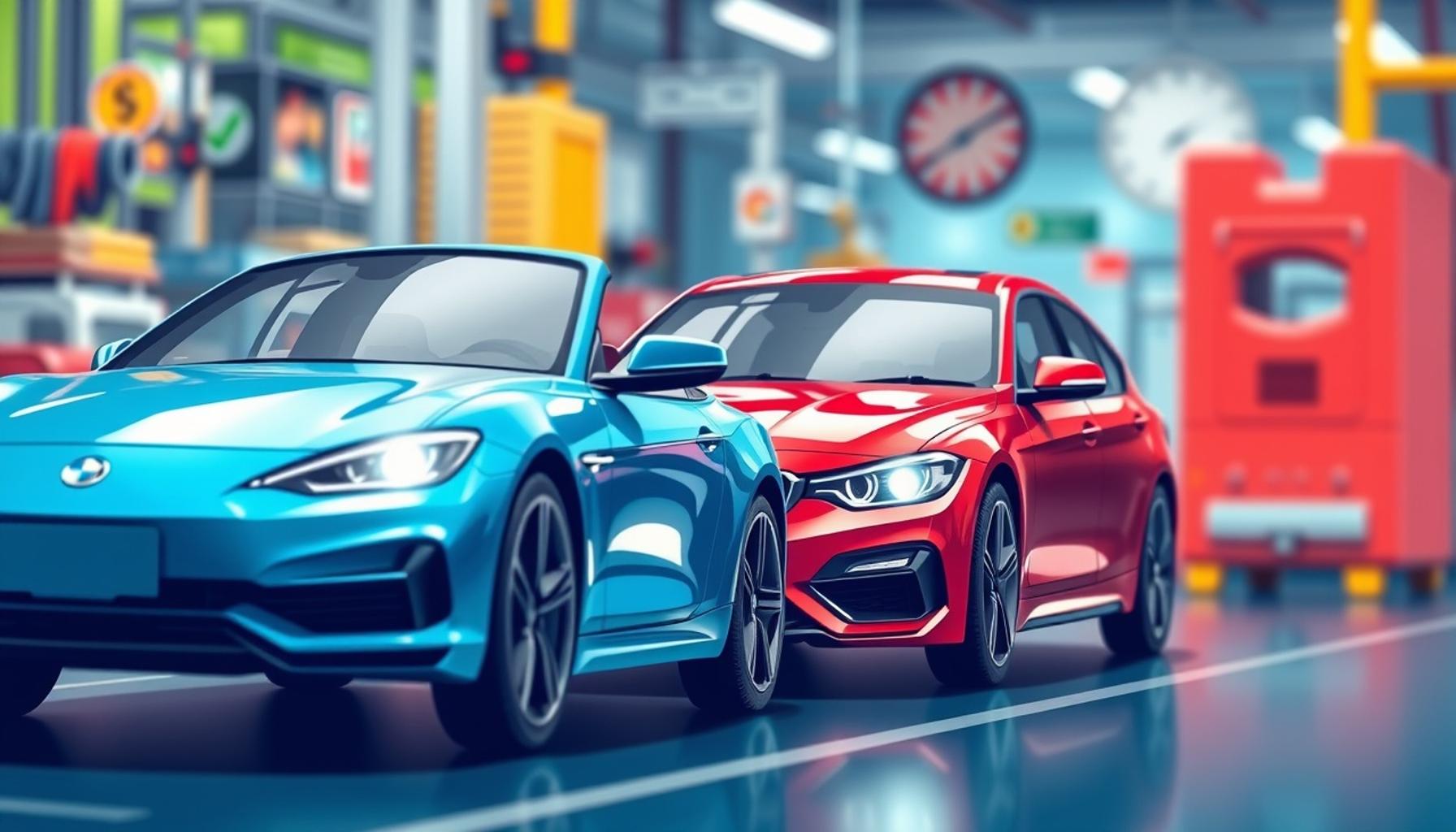
In today’s market, the blending of different industries is not just a trend; it’s a reflection of evolving consumer expectations and preferences. The partnership between fashion brands and car manufacturers represents a compelling fusion of aesthetics and practicality, where the worlds of clothing and automobiles converge to create new, innovative products. These collaborations are crafted with the intention of not only elevating brand identities but also engaging customers on multiple levels, leading to unique offerings that enhance both utility and style.
One of the most significant outcomes of these collaborations is the emergence of exclusive designs. Brands often release limited edition apparel and accessories that draw inspiration from the aesthetic elements of automobiles. For example, a line of leather jackets might embody the sleek, aerodynamic design of a luxury sports car, featuring elements like stitching that mimics the car’s upholstery or color schemes that reflect its iconic paint job. These carefully curated collections not only appeal to fashion enthusiasts but also attract loyal fans of the automotive brands, creating a sense of exclusivity and desirability.
Additionally, innovative marketing strategies arise from these collaborations. In many cases, promotional campaigns are created that utilize the strengths of both industries. A notable example is the multimedia marketing campaigns that capture the thrill of both driving and fashion. These campaigns often involve engaging visuals and storytelling that resonate with audiences who appreciate both style and speed. By leveraging digital platforms, brands can reach a broader audience, attracting younger consumers who are increasingly interested in how design intersects with lifestyle.
Moreover, there is an essential aspect of cross-industry insights that enhances product development. Insights gained from each industry can lead to enhanced functionality in the products. For instance, fashion designers might incorporate moisture-wicking materials used in racing suits into everyday apparel, appealing to consumers looking for both style and performance. In contrast, car manufacturers can enhance their interior designs by drawing inspiration from textile trends seen in high fashion.
Notable Collaborations
Several noteworthy partnerships exemplify the potential of this trend, with each showcasing unique synergies:
- Louis Vuitton and BMW: This collaboration produced a high-fashion line that seamlessly marries luxury with performance. The integration of premium materials and innovative designs reflects both brands’ commitment to excellence.
- Ferrari and Puma: Offering a range of racing-inspired gear, this partnership encapsulates speed and style. Apparel featuring Ferrari logos and design elements appeals to motorsport fans and fashion-savvy consumers alike.
- Mercedes-Benz and Off-White: This alliance introduces a fresh take on automotive elegance, combining the streetwear aesthetic of Off-White with the luxury appeal of Mercedes-Benz, aimed at a younger, modern audience.
As these collaborations grow and evolve, they continue to reshape consumer expectations. Understanding the dynamics of these partnerships is essential for grasping the broader implications for brand development, market reach, and consumer engagement in both the fashion and automotive sectors. Ultimately, this intersection brings forth exciting opportunities that redefine what it means to be a discerning consumer in today’s marketplace.
DISCOVER MORE: Click here to learn how to apply
Creating Value Through Unique Offerings
The collaborations between fashion brands and car manufacturers are not simply about aesthetics; they create value through unique offerings that resonate with consumers on a deeper level. By merging the artistry of fashion with the innovation of automotive engineering, these partnerships offer products that speak to the desires and lifestyles of modern consumers. Each collaboration results in collections that are not only visually striking but also rich in narrative, encapsulating the essence of both brands.
One key aspect of these collaborations is the development of integrated lifestyle products. Consumers today are looking for items that provide both functionality and flair. For instance, the luxury automaker Aston Martin collaborated with fashion label Hackett to produce a line of menswear inspired by the sophistication and heritage of the Aston Martin brand. This partnership allowed Hackett to incorporate high-quality materials and automotive design elements into clothing, creating ensembles that cater to consumers who appreciate the intersection of performance and lifestyle. Products from this collaboration, ranging from tailored suits to casual wear, boast refined style while appealing to automobile aficionados.
Moreover, the embrace of sustainability lies at the forefront of many contemporary collaborations. With growing awareness about environmental impacts, companies are pushing the envelope to incorporate eco-friendly materials into their collections. For example, the collaboration between Volvo and fashion brand, Etnies, led to a sustainable sneaker line made from recycled Volvo parts. This innovative approach attracts environmentally conscious consumers who value a brand’s commitment to sustainable practices, allowing them to express their style without compromising their values.
Another critical component is the promotion of brand storytelling. Collaborations often harness storytelling elements that allow consumers to engage with the brand on a more intimate level. When fashion brands and car manufacturers come together, they create a narrative that captivates audiences. A high-profile example is the collaboration between Gucci and Fiat, which showcased a limited-edition Fiat 500 adorned with Gucci’s iconic patterns. This partnership went beyond merely producing a car; it created an experience laden with fashion storytelling, tapping into the excitement of both the fashion elite and car enthusiasts. By crafting narratives that connect with consumers, these brands can foster deeper emotional connections, enhancing brand loyalty.
- Integrated Lifestyle Products: Merging fashion with functionality, brands create essential items that align with modern consumer lifestyles.
- Sustainability Initiatives: Emphasizing eco-friendly practices, brands appeal to environmentally conscious consumers.
- Brand Storytelling: Engaging narratives enrich the consumer experience, making collaborations memorable and meaningful.
As collaborations between fashion brands and car manufacturers evolve, they create a dynamic landscape where value, sustainability, and storytelling come together to captivate an ever-changing consumer base. By understanding the extent of these partnerships, one can appreciate how they influence not just the products themselves but also the broader market trends that shape consumer choices today.
DISCOVER MORE: Click here to learn about the future of fashion
Impact on Brand Identity and Consumer Engagement
The collaborations between fashion brands and car manufacturers also play a pivotal role in shaping brand identity and enhancing consumer engagement. These partnerships allow companies to expand their reach and create a distinct identity that aligns with contemporary consumer values and preferences. For fashion brands, aligning with a respected automaker can elevate their status, while for car manufacturers, associating with high-end fashion labels can infuse their vehicles with an aura of luxury and exclusivity.
One memorable instance that illustrates this dynamic is the collaboration between Balenciaga and the renowned luxury sports car manufacturer, Bugatti. The partnership produced limited-edition apparel that incorporated Bugatti’s iconic logo and design elements, appealing to enthusiasts of both high fashion and automotive excellence. By embracing this collaboration, Balenciaga strengthened its image as an avant-garde brand, while Bugatti effectively reached an audience that may not have been traditionally focused on automobiles. This type of synergy enriches the brands’ identities, setting them apart in highly competitive markets.
Another vital aspect of such collaborations is the potential to tap into different consumer segments. Automakers often have access to affluent consumers who may regularly purchase luxury items, while fashion brands engage a younger demographic interested in lifestyle and experiences. The collaboration between Mercedes-Benz and the streetwear label Off-White serves as a fine example of this intersection. By merging the avant-garde style of Off-White with Mercedes-Benz’s sleek, modern vehicles, both brands attracted a younger audience eager to embrace a lifestyle characterized by exclusivity and innovation.
Moreover, these partnerships lead to enhanced interactive consumer experiences. Modern consumers are increasingly craving experiences that allow them to interact with brands in meaningful ways. Take, for instance, the collaboration between Lamborghini and the Italian fashion house, Giannico, whereby they hosted exclusive fashion shows featuring both luxury footwear and Lamborghini’s latest models. Events like these immerse consumers in the brand’s ecosystem, building excitement and loyalty through memorable experiences. These collaborations usually leverage social media platforms to showcase their offerings, further engaging consumers and encouraging them to share their experiences with peers, which enhances brand visibility.
- Brand Identity Enhancement: Collaborations allow brands to redefine their identities, crafting unique personas that attract specific consumer bases.
- Consumer Segment Expansion: Partnerships can open doors to new demographics, combining the markets of fashion and automotive enthusiasts.
- Interactive Consumer Experiences: Engaging events create memorable interactions between brands and consumers, fostering loyalty and deepening emotional connections.
As the fashion and automotive industries continue to evolve, these collaborations will undoubtedly showcase new opportunities for innovation and creativity. By understanding how these dynamics influence brand identity and consumer interactions, one can appreciate the profound impact such partnerships have on shaping purchasing behavior and enhancing the overall consumer experience in today’s marketplace.
DISCOVER MORE: Click here to dive deeper
Conclusion
In summary, the partnerships between fashion brands and car manufacturers represent a fascinating intersection of two powerful industries, each bolstering the other through creative collaborations. These collaborations are not merely a trend; they have emerged as a strategic approach to enhancing brand visibility and driving consumer engagement. By capitalizing on their respective strengths, fashion and automotive brands can create unique offerings that resonate with their audiences, ultimately producing remarkable shopping experiences.
Through these alliances, brands can effectively redefine their identities. The melding of aesthetics and engineering not only appeals to existing customer bases but also invites new consumers into each brand’s sphere. For instance, the collaboration between luxury labels and renowned car manufacturers frequently cultivates a sense of exclusivity and allure, drawing affluent consumers who appreciate both high-fashion and high-performance vehicles.
Moreover, as today’s consumer increasingly seeks personalized and immersive engagement, these collaborations offer interactive experiences that build deeper emotional connections. Events that merge fashion showcases with automobile reveals create memorable moments that go beyond traditional retail or marketing efforts.
Looking ahead, the potential for innovation through these collaborations appears limitless. As brands continue to adapt to evolving market trends, a collective vision of style, technology, and luxury will shape the landscape of both industries. Ultimately, recognizing the enduring impact of these partnerships invites us to appreciate not just the products but the cultural significance they signal in the contemporary marketplace.