The Intersection of Fashion and Technology: Connected Cars and Smart Clothing
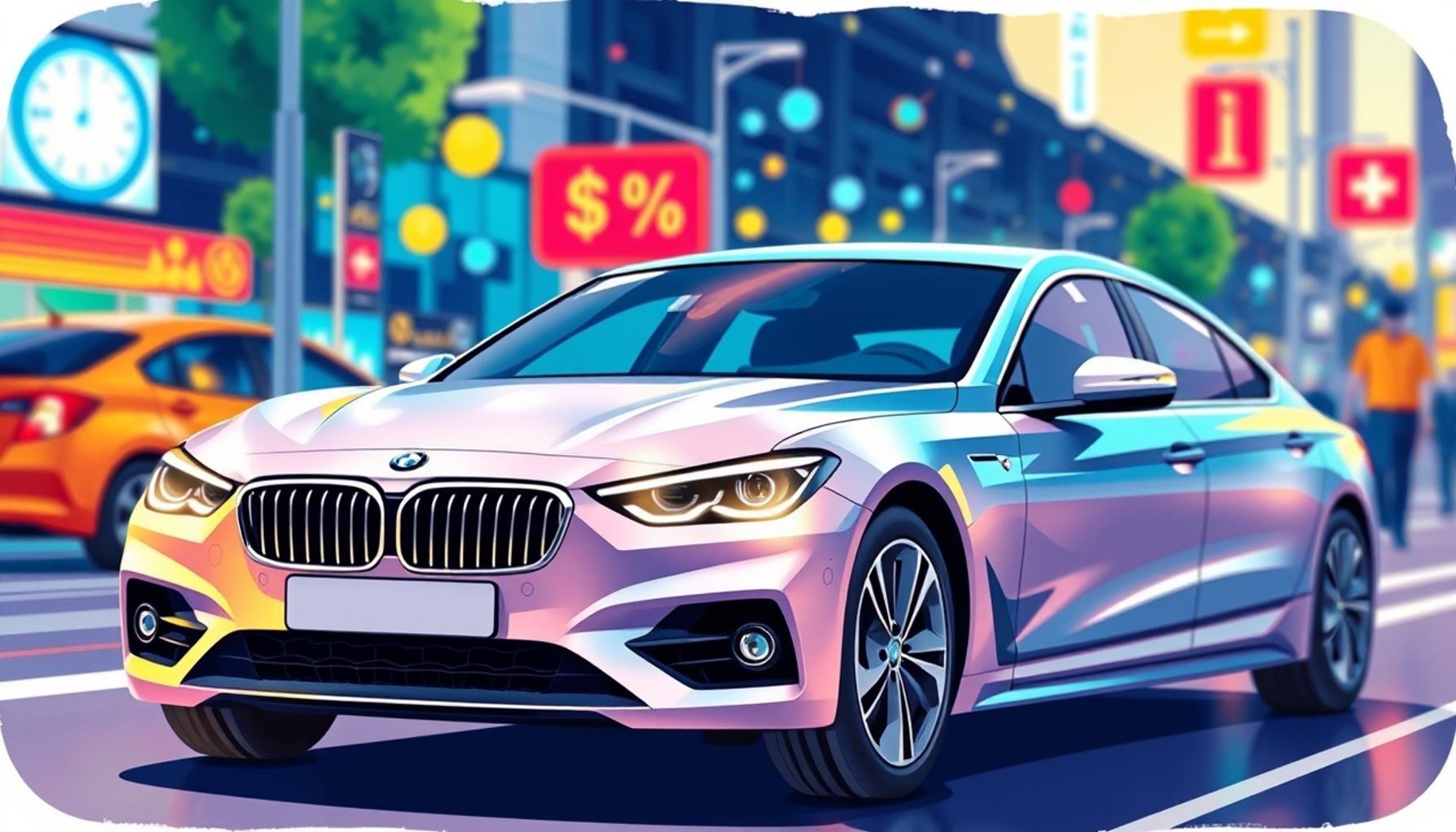
Connected Cars: A New Era of Mobility
As technology advances, connected cars are becoming an essential part of our driving experience. These vehicles come equipped with high-tech features that not only enhance safety but also improve overall driving convenience.
Take the touchscreen interface, for example. This intuitive control panel allows drivers to interact with navigation systems and entertainment options effortlessly. Instead of fumbling with buttons or additional gadgets, drivers can easily input destinations or change songs through simple taps or voice commands. This innovation not only makes driving more enjoyable but also helps reduce distractions, allowing for a safer driving environment.
Another significant advancement seen in connected cars is real-time diagnostics. Imagine being alerted instantly when your tire pressure drops or when your engine’s oil needs changing. These features monitor the car’s health continually, providing critical information that helps drivers maintain their vehicles effectively, potentially saving them from costly repairs down the line.
Additionally, smartphone integration allows for seamless connectivity between the driver’s mobile devices and the vehicle’s systems. Apps for navigation, music, and even messaging can be accessed without taking a driver’s hands off the wheel. This ensures that staying connected while on the road is not only easier but safer, aligning perfectly with the advancements in hands-free technology.
Smart Clothing: Fashion Meets Function
On the fashion side, smart clothing is breaking new ground by integrating technology directly into apparel. This evolution of fashion is not just about looking good; it’s about enhancing performance and functionality.
Many designs now incorporate wearable technology, which allows fitness trackers or health monitors to be seamlessly embedded into clothing. These smart fabrics offer a level of convenience that lets wearers track their physical activity, heart rate, and calories burned without the hassle of additional devices. Companies like Under Armour have led the way with their connected fitness clothing, making it easier for users to maintain and improve their health.
Moreover, climate control is another fascinating feature. Imagine wearing a jacket that adjusts its temperature according to your body heat, keeping you comfortable regardless of the weather. This technology can significantly enhance outdoor experiences, particularly for athletes or individuals who are frequently active in various climates.
Lastly, health monitoring through smart clothing can revolutionize how we approach wellness. For instance, garments equipped with sensors can track vital signs throughout the day, providing valuable data that can alert wearers to potential health issues before they escalate into serious concerns. This not only promotes proactive health management but also has the potential to change how we view and interact with our bodies.
Conclusion
The fusion of fashion technology and mobility is not just reshaping our daily lives but is also redefining the concepts of convenience, safety, and personal expression. Whether it’s through the advanced features of connected cars or the innovative integration of technology in clothing, we are witnessing a remarkable transformation that promises to enhance our experiences in an increasingly fast-paced world.
DISCOVER MORE: Click here for detailed application steps
Redefining Mobility Through Connection
The capabilities of connected cars extend beyond mere navigation and diagnostics; they signify a comprehensive change in how we perceive mobility itself. One of the most exciting aspects is the vehicle-to-vehicle (V2V) communication. This technology enables cars to share critical information such as speed, location, and even potential hazards with one another. Imagine being in an urban area where your car can communicate with nearby vehicles to anticipate traffic jams or accidents, resulting in a smoother and safer journey.
Furthermore, connected cars are equipped with advanced driver-assistance systems (ADAS). These systems utilize a variety of sensors and cameras to help drivers avoid collisions, stay in their lanes, and park with precision. By leveraging these smart systems, drivers can benefit from an additional layer of safety that not only enhances driving pleasure but provides peace of mind. For example, the adaptive cruise control feature automatically adjusts the speed of your car based on the vehicle ahead, maintaining a safe following distance.
In addition to safety features, the concept of personalized driving experiences is becoming a reality. Connected cars can learn a driver’s preferences over time, adjusting settings for climate control, seat position, and even music selection based on historical choices. This customization enhances comfort, turning each drive into a tailored experience.
- Enhanced Navigation: Real-time traffic updates and rerouting capabilities help alleviate the stress of commuting.
- In-Car Entertainment: Streaming services and internet browsing features offer new levels of connectivity for passengers.
- Over-the-Air Updates: Software updates can now be downloaded directly to the car, ensuring it always has the latest features and improvements.
The integration of smart technology in connected cars signifies a shift towards a more interactive, user-centric automotive experience. Versatility and innovation are not just reserved for the fashion industry; they extend into our vehicles, creating a seamless synergy between technology and mobility.
Fashion Forward: The Rise of Smart Clothing
In parallel to the advancements in automotive technology, the fashion industry is also embracing the digital revolution through smart clothing. These innovative garments are more than just stylish; they integrate technology to enhance performance and wellbeing. Examples of smart clothing range from athletic wear that tracks workouts to everyday clothing that monitors health metrics.
One major development in smart clothing is the incorporation of biometric sensors. These tiny devices gather real-time data on a wearer’s heart rate, hydration levels, and even stress indicators, all while blending seamlessly into the fabric. Brands like Nike and Adidas are already venturing into this space, designing apparel that empowers athletes to monitor their physical thresholds effectively.
Additionally, fashion-tech collaborations are becoming commonplace, resulting in clothing that not only serves an aesthetic purpose but also boasts a myriad of functions. This fusion creates possibilities such as:
- Fitness Tracking: From yoga pants that track movements to workout shirts that measure heart rates without additional devices.
- Smart Textiles: Fabrics that adjust to temperature changes, providing warmth in winter and breathability in summer.
- Informative Fashion: Garments that change color or pattern in response to environmental conditions or personal data inputs.
This intersection of fashion and technology is helping consumers blend style with practicality while also supporting health and performance goals. As we continue to navigate a world driven by technology, the possibilities for smart clothing and connected cars are only beginning to unfold.
DISCOVER MORE: Click here for the complete guide
Seamless Integration: The Synergy of Fashion and Mobility
The convergence of fashion and technology is not limited to smart clothing alone; rather, it extends to the ways we interact with connected cars and lifestyle enhancements that arise from this fusion. As more consumers adopt connected vehicles, the demand for cohesive experiences that tie together clothing, vehicles, and digital ecosystems is growing. This demand creates new opportunities for both industries to collaborate, leading to inventions that enhance a user’s mobility experience while also maintaining style and functionality.
For instance, some major automotive brands are beginning to integrate clothing solutions into their vehicles. Imagine a car that not only recognizes you through your smart keys but also syncs with your wearable technology or smart clothing. A jacket with built-in sensors could communicate with car systems to adjust seating position based on your height and preferred driving settings. This level of personalization elevates the idea of a “smart home on wheels,” extending into wearable tech that enhances the driving experience.
The implications of this integration are vast, especially in urban settings where mobility can often be a challenge. Wearable devices do not only provide convenience but can also act as crucial facilitators of safety. For example, a smart jacket equipped with LED lights or visual indicators can alert oncoming drivers of a pedestrian’s presence in low visibility conditions. This connection not only serves safety purposes but also seamlessly blends fashion with functionality, allowing individuals to express their style while prioritizing safety.
Moreover, the advent of augmented reality (AR) in the fashion industry complements the technological advancements in automotive design. Imagine stepping into your car, which immediately updates your personal profile and suggests outfits based on the destination you’ve programmed into the GPS. AR applications on smart glasses could allow users to see recommended outfits overlaid onto their physical attire, enhancing the shopping experience and ensuring a perfect match with their connected lifestyle. Such innovations reshape conventional notions of dressing, merging functions in unexpected and engaging ways.
As we look at the future, the potential of collaborative innovation between fashion and automotive technology becomes ever more apparent. Taking it a step further, manufacturers might create smart clothing that features GPS navigation, guiding you while you walk towards your destination or integrating with the car’s internal navigation system to provide seamless travel experiences.
- Data Sharing: Envision your car sending requests for updated traffic information to your clothing, allowing your smart jacket to vibrate a warning as you approach problematic areas.
- Sustainable Choices: Intelligent clothing with integrated sensors could enable users to make informed decisions, such as opting for eco-friendly routes suggested by their vehicles based on real-time data.
- Personalized Experiences: Users could control vehicle settings not only through voice commands but also via gestures made with their smart clothing, merging convenience with advanced technology.
This evolving landscape signifies a fascinating shift in how we consider the relationship between what we wear and how we travel. The interplay between connected cars and smart clothing fosters an environment where function meets form, paving the way for a more integrated lifestyle that prioritizes both style and utility. As innovations continue to unfold, the future of mobility could be as much about personal expression and connectivity as it is about transportation.
DISCOVER MORE: Click here to learn how to apply
Looking Ahead: Embracing the Future of Fashion and Technology
As we delve into the exciting intersection of fashion and technology, it becomes evident that the integration of connected cars and smart clothing is reshaping our daily lives in profound ways. The movement towards a lifestyle where our garments and vehicles communicate with one another exemplifies the potential for enhanced convenience, safety, and personalization. This new wave of innovation invites us to envision a future where individual style harmoniously coexists with advanced technology, making daily interactions not only easier but more meaningful.
Moreover, the prospects for sustainability and environmental awareness within this integrated world cannot be overlooked. With intelligent clothing providing essential data for eco-conscious choices, we have an opportunity to better our surroundings while still expressing our unique identities. As we witness the emergence of tailored experiences, such as smart garments adjusting to evolving weather conditions or personalized vehicle settings based on our habits, the significance of this convergence deepens.
In conclusion, the dialogue between fashion and automotive technology is only just beginning. By fostering collaboration between designers, manufacturers, and tech innovators, we can look forward to a future rich with possibilities that elevate not only how we travel but also how we express ourselves. The potential of this partnership holds the promise of a world where technology enhances our daily lives without compromising on aesthetic appeal. Indeed, as we navigate this exciting landscape, we are not merely passengers in a vehicle; we are trendsetters whose clothing and cars work in tandem to reflect our individual journeys.