The intersection of automotive innovations and fashion marketing: how brands can adapt to a moving audience
Exploring the Intersection of Automotive and Fashion Industries
The convergence of the automotive and fashion industries has ushered in a new era where style meets functionality. This synergy not only enhances the appeal of vehicles but also redefines what consumers seek in both sectors. As modern society grows increasingly sophisticated, the need for brands to merge technological prowess with stylish design becomes evident.
Smart Technology: The integration of smart technology in vehicles serves as a prime example of innovation catering to consumer desires. For instance, many new car models now feature voice-activated systems that allow drivers to control navigation, music, and even climate settings without taking their hands off the wheel. Brands like Tesla have taken this further with their sophisticated autopilot features, captivating a tech-savvy audience. Augmented reality (AR) head-up displays—notably in vehicles like the BMW M5—enable drivers to see critical information projected onto the windshield, enhancing both safety and enjoyment while driving. This merging of technology not only fosters a practical experience but also creates a sleek, modern aesthetic that appeals to fashion-conscious individuals.
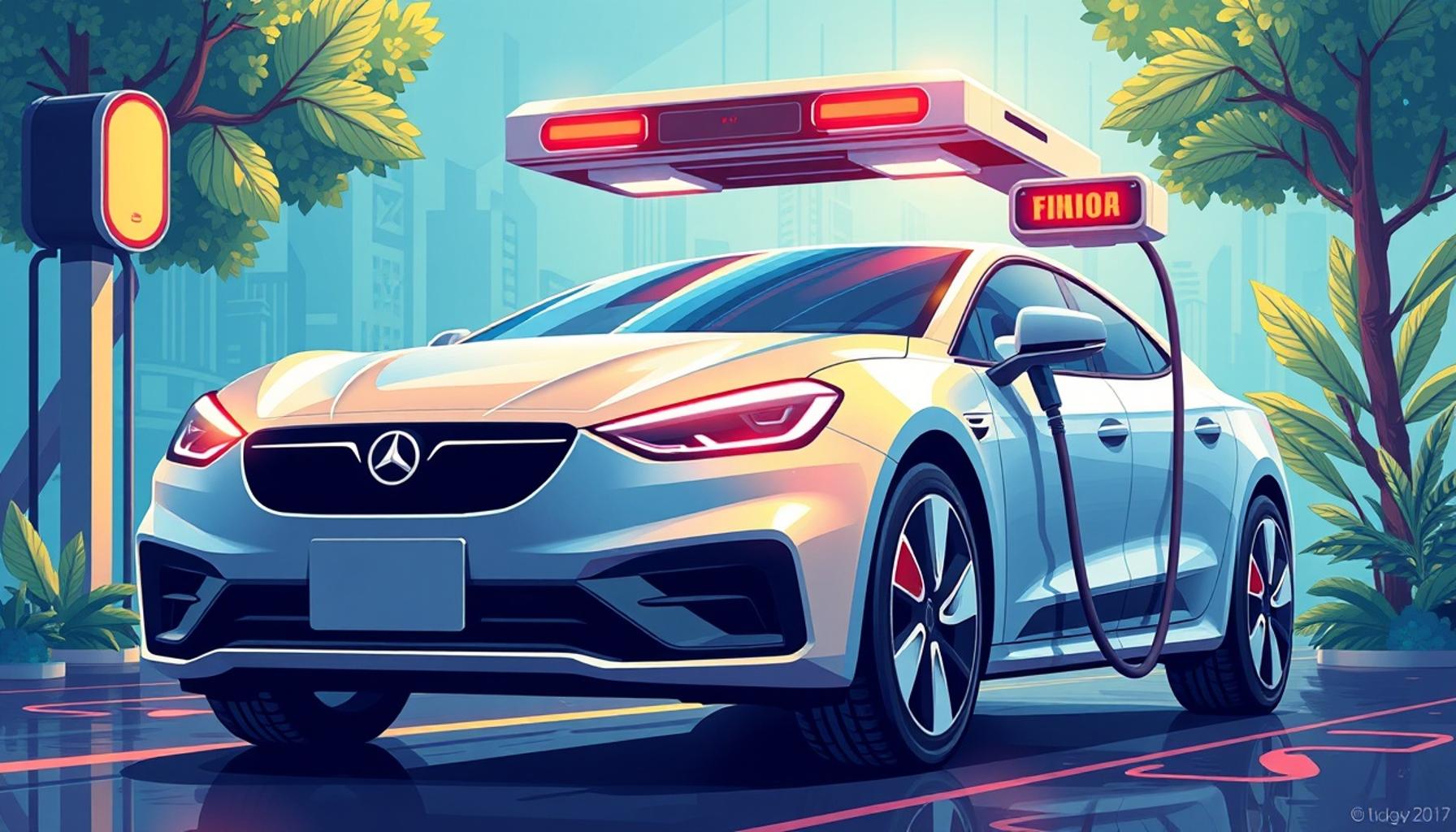
Sustainable Practices: In addition to technology, sustainability has become a cornerstone of both automotive and fashion industries. As more consumers prioritize eco-friendly options, vehicle manufacturers like Ford are incorporating recycled materials and sustainable production methods into their designs. Electric vehicles (EVs), such as the Nissan Leaf and the Chevy Bolt, are increasingly popular among environmentally conscious consumers, paralleling trends in sustainable fashion like clothing made from organic fibers or recycled plastic. This shift reflects a larger cultural movement towards ethical consumption, where buyers seek to minimize their environmental impact.
Collaborative Marketing: Furthermore, the concept of collaborative marketing has taken this intersection to exciting new heights. Partnerships between automobile manufacturers and renowned fashion designers, such as the collaboration between Maserati and the Italian fashion house Ermenegildo Zegna, result in exclusive vehicle models that often feature luxurious interiors crafted with high-end fabrics. These limited-edition vehicles not only entice automotive enthusiasts but also attract fashion aficionados, demonstrating the cross-pollination of these industries.
Understanding consumer behavior in this evolving landscape is crucial for success. As audiences become more mobile and discerning, automotive brands must adapt their marketing strategies to resonate with their desires. By examining the intersection of these two vibrant industries, brands can effectively enhance their reach. Embracing innovation alongside fashion sensibilities allows for the forging of lasting connections with consumers, ultimately leading to greater brand loyalty and satisfaction.
LEARN MORE: Click here for detailed application tips
Driving Change: The Role of Technology in Marketing
As the automotive landscape evolves, so too does its marketing approach. The rise of technology dramatically impacts how brands engage with their audiences, especially in an industry where innovation is key. To thrive in this competitive environment, automotive brands must embrace a multifaceted strategy that incorporates digital tools and data analytics to create targeted marketing campaigns.
Data-Driven Insights: At the heart of modern marketing is the ability to analyze consumer behavior and preferences. Automotive brands are leveraging big data to gain insights into how potential customers interact with their products. For instance, companies can track web analytics, social media interactions, and customer feedback to tailor their messaging and product offerings. By understanding what drives consumer decisions—whether it’s safety features, fuel efficiency, or eco-friendliness—brands can craft personalized experiences that resonate deeply with their target audience.
Social Media Engagement: In today’s digital age, social media platforms serve as vital marketing channels. Automotive brands are utilizing visually-driven platforms like Instagram and TikTok to showcase their vehicles in dynamic and engaging ways. By collaborating with influencers or the latest fashion icons, companies can effectively blend style and functionality. Platforms allow brands to present their cars not just as modes of transport, but as fashion statements that reflect a lifestyle. For example, a company might sponsor a fashion show where models take a runway walk alongside sleek vehicles, indicating that both cars and fashion are vehicles of personal expression.
Innovative Showroom Experiences: The consumer journey has shifted dramatically towards immersive experiences rather than traditional sales pitches. Brands like Audi and Mercedes-Benz have invested in immersive showroom experiences that utilize virtual reality (VR) to allow customers to explore vehicle models from the comfort of their homes. Buyers can engage with their desired features, colors, and packages in a virtual setting before making a decision. This approach not only captivates a tech-savvy audience but also intersects with the fashion industry’s emphasis on experience and exclusivity.
- Augmented Reality Displays: Automotive companies can enhance showroom visits with AR technology, allowing consumers to visualize car features and even customize their vehicles in real-time.
- Luxury Brand Collaborations: As noted earlier, partnerships between car manufacturers and high-fashion labels create unique marketing opportunities, showcasing limited editions that appeal to both car enthusiasts and fashionistas.
- Experiential Marketing Events: Hosting exclusive test drive events or pop-up shows that feature a blend of fashion and automobiles can attract diverse audiences, creating a buzz around both sectors.
As we navigate this intersection of automotive and fashion marketing, the emphasis on technology and innovative experiences will remain paramount. To cultivate a loyal consumer base, brands must not only showcase their vehicles’ technical prowess but also present them as integral parts of a fashionable lifestyle. Adapting to the ever-evolving demands of the audience will ensure sustained relevance and engagement in this dynamic marketplace.
DISCOVER MORE: Click here for details
Embracing Sustainability: Fashion Meets Automotive Ethics
As consumer awareness around environmental issues continues to grow, sustainability has emerged as a crucial element in both the automotive and fashion industries. Today’s audiences are not just looking for stylish solutions; they are actively seeking brands that align with their ethical standards. Automotive brands, therefore, must respond with transparency and commitment to sustainable practices to attract conscious consumers.
Eco-Friendly Innovations: Many automotive companies are now pivoting towards electric vehicles (EVs) and hybrid models, emphasizing their commitment to reducing carbon footprints. Tesla, for example, has made a name for itself not only because of its advanced technology but also due to its focus on renewable energy solutions. Fashion brands are similarly adapting, introducing sustainable materials and eco-friendly production processes. By combining these two industries, automotive marketers can present EVs not only as high-tech innovations but as fashionable and responsible choices for a greener lifestyle.
Collaborative Campaigns: In this age of hyper-connectivity, brands that collaborate can create powerful marketing campaigns. Automotive brands can partner with eco-conscious fashion designers to co-create limited-edition apparel or accessories that embody sustainability and style. For instance, a car manufacturer could team up with a popular sustainable fashion label to launch a collection of eco-friendly streetwear aimed at a shared audience. These collaborative efforts can stimulate interest and drive sales by uniting follower bases from both sectors.
- Cross-Industry Sponsorships: Hosting sustainability-focused events that highlight both the automotive and fashion sectors can create a platform for brands to showcase their commitment to ethical practices while reaching wider audiences.
- Transparent Storytelling: Storytelling can play a vital role in conveying a brand’s commitment to sustainability. Automotive companies can share the journey of their electric vehicles—from inception to production—while fashion labels can educate consumers about ethical sourcing and manufacturing practices.
- Influencer Partnerships: Collaborating with influencers who champion sustainability can amplify messages for both automotive and fashion brands. These influencers can passionately share how eco-friendly vehicles complement a sustainable wardrobe, encouraging followers to make thoughtful purchasing decisions.
Fashionability of EVs: The perception of electric vehicles is evolving. Brands are increasingly focusing on design aesthetics to position EVs as not only eco-friendly options but also as trendy automobiles. Brands like Porsche and BMW have successfully launched electric models that rival their traditional counterparts in style and performance. Marketing campaigns can emphasize how driving an electric vehicle can enhance a fashionable lifestyle—aligning the vehicle with trendsetters and influencers in the fashion space.
In light of the growing demand for sustainable products, adapting marketing strategies to focus on ethical practices will be pivotal. As the automotive industry progresses towards more environmentally friendly solutions, blending this narrative with fashion’s emphasis on style and connection will create a compelling marketing message for a conscious audience. The key for brands lies in fostering authenticity through sustainability, designer collaborations, and innovative storytelling that resonates with a consumer base actively seeking change.
DON’T MISS OUT: Click here to learn how to plan your luxury clothing purchases wisely
Conclusion: Navigating Change with Style
As the lines between automotive innovations and fashion marketing blur, brands have a unique opportunity to resonate with an audience that values both style and sustainability. This intersection requires a forward-thinking approach that embraces ethical practices, collaborative synergies, and compelling storytelling to capture the hearts of consumers. As the automotive industry transitions toward eco-friendly technologies like electric vehicles, it is essential for marketers to position these innovations not just as practical choices, but also as fashionable lifestyle statements.
By forming partnerships with eco-conscious fashion designers, automotive brands can create captivating campaigns that highlight shared values of sustainability and trendiness. Events that showcase both industries, alongside influencer collaborations, can amplify these messages, reaching a broader audience that prioritizes ethical consumption. The importance of transparency in storytelling cannot be overstated; conveying the narrative behind products fosters trust and deepens connections with consumers.
As we move forward, brands must recognize that the modern consumer is not merely a buyer; they are also an advocate for change. By aligning their marketing strategies with the desires of a moving audience, automotive and fashion brands can lead in creating a more sustainable future. It is this fusion of innovation and style that will not only set brands apart but also contribute to a culture of conscious consumerism, where looking good and doing good go hand in hand.