Difference between national, international, and multiple cards
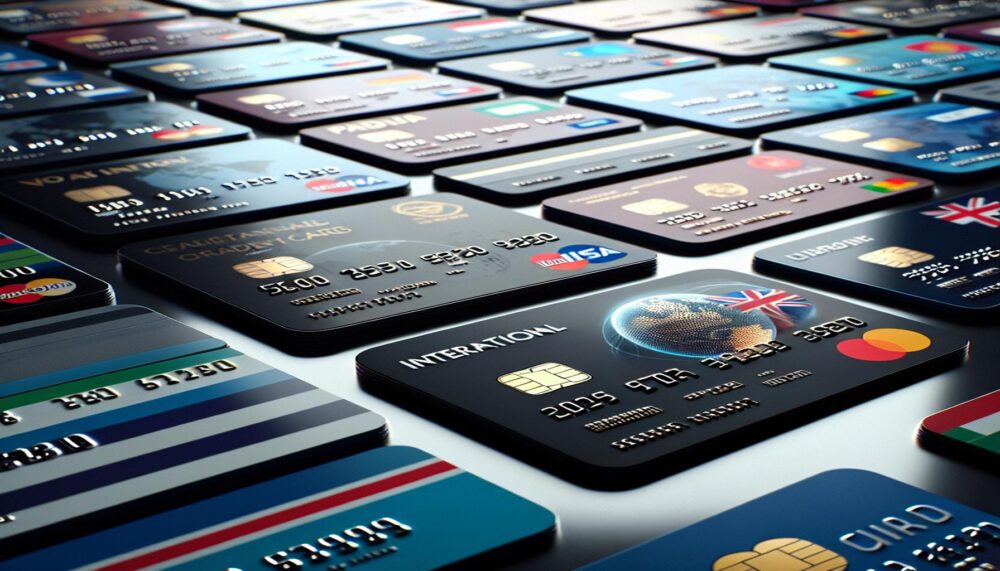
Understanding Card Types
When navigating financial options, knowing the differences between various types of cards is essential. In Canada, consumers can choose from three primary card types: national, international, and multiple. Each serves distinct purposes and offers unique features tailored to different needs.
National Cards
National cards are typically issued by domestic banks and are meant for use within Canada. These cards are designed to meet the needs of Canadian consumers, providing a range of specific benefits that can enhance everyday spending. For example:
- Local purchase protection: National cards often come with purchase protection plans that cover defective items or those lost during the delivery process. This means if you buy a new appliance from a Canadian retailer, you may be protected against any issues that arise shortly after the purchase.
- Rewards programs that cater to Canadian retailers: Many national cards offer loyalty programs that provide points or cash back for shopping at favorite local stores. For instance, a card might give you extra points for groceries purchased at a well-known supermarket chain.
- Ease of access to customer service: Since these cards are tied to local banks, cardholders can benefit from customer service that understands the unique financial landscape of Canada, making assistance more accessible and relevant.
International Cards
On the other hand, international cards allow Canadians to shop and travel abroad seamlessly. These cards are particularly useful for frequent travelers or those making purchases from international online stores. Key characteristics include:
- Widely accepted in foreign countries: International cards are designed to be accepted at various locations worldwide, making it easy to make purchases without the hassle of exchanging currency.
- Travel perks like fraud protection and currency conversion: Many international cards offer robust fraud protection features that safeguard your transactions while traveling, along with favorable currency conversion rates that can save you money.
- Rewards that can be used globally: The rewards earned through these cards often transcend borders, allowing you to redeem points for travel deals, accommodations, and more, no matter where you are in the world.
Multiple Cards
Lastly, multiple cards offer a blend of both national and international benefits, making them an excellent option for consumers wanting the best of both worlds. These cards can be advantageous for those who:
- Travel frequently and shop locally: If you often find yourself both enjoying Canada’s local stores and exploring international destinations, multiple cards can provide a balanced solution.
- Prefer flexibility in their spending options: Multiple cards typically offer various features, enabling cardholders to select the benefits that suit their needs, whether shopping at home or abroad.
- Seek to maximize rewards across different platforms: Having access to diverse reward systems can help cardholders earn points faster by leveraging their spending in different categories, such as travel, dining, and shopping.
Understanding these distinctions helps consumers make informed decisions that align with their spending habits and lifestyle. With the right card type, you can enhance your financial experience, making everyday purchases and travel investments more rewarding. Let’s dive deeper into each card type to explore their functionalities and benefits further.
Exploring the Features of Each Card Type
Understanding the different features and benefits associated with national, international, and multiple cards can significantly impact your purchasing decisions. By analyzing what each card brings to the table, you can select one that best fits your financial lifestyle and preferences.
National Cards: Tailored for Domestic Use
National cards are specifically crafted for transactions within Canada, appealing to individuals who primarily shop locally. Here are some standout features:
- Specialized rewards for Canadian retailers: Many national cards provide unique incentives like points or cashback specifically for expenditures at participating Canadian stores. For example, if you frequent a local coffee shop, using a national card that offers bonus points for those purchases can enhance your overall saving strategy.
- Consumer protection aligned with local laws: This type of card often includes purchase protections tailored to the Canadian consumer landscape. If a product you bought is defective, you may have an easier time filing a claim due to the local regulatory environment that national cards abide by.
- Convenient repercussions for fraud: If unauthorized charges occur, cardholders of national cards may find it simpler to resolve disputes with customer service representatives who understand local dynamics.
International Cards: Your Ticket to Global Transactions
In contrast, international cards grant you the flexibility needed for global shopping and travel. These cards open doors to a world of possibilities through various beneficial attributes:
- Global acceptance: International cards are accepted in numerous countries, allowing you to make purchases without the hassle of dealing with currency exchanges. For instance, if you’re vacationing in Europe, you can use your international card to shop as if you were at home.
- Enhanced fraud protection and safety features: Many international cards come with comprehensive fraud protection measures, ensuring that your transactions abroad are secure. This peace of mind is especially critical when navigating unfamiliar territory.
- Flexible reward systems for international use: Whether you’re earning points for flights or hotel stays, international cards often provide rewards that can be redeemed globally, enhancing your travel experiences.
Multiple Cards: The Best of Both Worlds
Multiple cards serve as a hybrid option, combining benefits from both national and international card types. They cater to consumers who appreciate the versatility of shopping both locally and abroad. Consider these key benefits:
- Dual reward features: Customers can capitalize on rewards from both national and international spending. You’ll enjoy points from local stores while also earning travel rewards, allowing you to maximize your benefits.
- Increased flexibility: Multiple cards often allow cardholders to switch between various benefits tailored to their current activity, whether it’s for a business trip or everyday shopping in Canada.
- Comprehensive customer service: With access to assistance that understands both domestic and international needs, cardholders often find it easier to navigate issues that may arise.
In conclusion, recognizing the specific benefits and features of national, international, and multiple cards can empower you to make well-informed financial decisions. Each card type fulfills distinct roles and offers advantages that were designed with different spending habits in mind. As we continue exploring these card types in detail, you’ll gain further insights into which card might be the right fit for your lifestyle.
Understanding Fees and Charges
When considering the differences between national, international, and multiple cards, it is crucial to factor in the associated fees and charges, as these can significantly impact your overall financial strategy. Understanding how each card type manages costs can help you maximize your savings and make informed choices.
National Cards: Often Cost-Effective for Local Spending
National cards tend to have lower fees compared to their international counterparts, making them an attractive option for consumers whose spending is primarily confined to Canada. Here are some important aspects related to fees:
- Annual fees: Many national cards feature minimal or no annual fees, especially those designed for everyday use. This allows you to save money over time, particularly if you do not travel frequently.
- Transaction fees: National cards usually do not impose foreign transaction fees, which is beneficial for users who might occasionally make international purchases. Even so, it’s always advisable to check the terms before use.
- Late payment fees: As with any credit product, late payments can incur fees. However, national cards may offer more lenient grace periods due to their local market focus.
International Cards: Additional Costs to Consider
International cards come with a unique set of fees that reflect their global utility. While they provide undeniable benefits, it is essential to analyze these costs:
- Foreign transaction fees: Most international cards charge foreign transaction fees, which typically range from 1% to 3% of the purchase amount. This charge can add up quickly if you’re making multiple purchases during a trip abroad.
- Annual fees: While some international cards may have high annual fees, they often include perks like travel insurance, rental car insurance, and airport lounge access, which can offset the costs for frequent travelers.
- Dynamic currency conversion fees: When using your card internationally, some merchants may offer to convert your payment into Canadian dollars at the point of sale. However, this service often comes with an unfavorable exchange rate, leading to higher costs.
Multiple Cards: A Blend of Benefits and Costs
Multiple cards can provide considerable flexibility and rewards, but understanding the fees associated with maintaining several cards is essential for budgeting:
- Annual fees across multiple cards: While each individual card may offer lower fees, having multiple cards typically means multiple annual fees. It’s crucial to prioritize which cards are the most beneficial for your spending habits.
- Managing different policies: Each card may have its own fee structure, requiring careful attention to avoid confusion. Keeping track of spending limits, payment due dates, and specific features can help mitigate extra costs.
- Reward redemption charges: Some multiple card programs might charge fees for redeeming rewards, especially if you transfer credit points to another program. It’s important to read the fine print to fully understand any potential drawbacks.
By being aware of the various fees and charges associated with national, international, and multiple cards, you can make better financial decisions that align with your spending patterns and overall goals. In the next section, we will delve deeper into additional considerations, including customer support and services that each card type provides, ensuring you understand the full spectrum of options available to you in the Canadian financial landscape.
Conclusion: Making Informed Card Choices
In summary, understanding the differences between national, international, and multiple cards is key to making informed financial decisions that suit your lifestyle and spending habits. Each card type has its unique benefits and costs, allowing you to align your choices with your specific needs. National cards are often the most cost-effective option for those primarily engaged in local spending, as they feature lower fees and more straightforward terms. Conversely, international cards are excellent for frequent travelers, despite the higher fees they may carry, as they provide essential perks that can enhance your travel experience.
On the other hand, while multiple cards may offer the allure of diverse benefits and rewards, they also require diligent management to avoid excessive fees and to ensure that the advantages outweigh the costs. It is vital to remain aware of the fees associated with each card type, such as annual and foreign transaction fees, and to understand the terms of each card you hold.
Ultimately, the best approach is to evaluate your spending patterns and financial goals. By doing so, you can choose the card that maximizes your savings and fits seamlessly into your lifestyle. Take the time to research and compare options, as this diligence can lead to significant financial rewards in the long run. Empower yourself to make decisions that not only serve you today but also pave the way for a more secure financial future.
Related posts:
How to Apply for the NEO Credit Card Easily Boost Your Finances
How to Apply for MBNA Smart Cash World Mastercard Credit Card
How to Apply for MBNA True Line Gold Mastercard Credit Card Online
How to Apply for AMEX American Express Business EdgeTM Card Today
How to Accumulate Miles Using a Credit Card Wisely
Apply for National Bank MC1 Mastercard Credit Card Step-by-Step Guide

Linda Carter is a writer and financial expert specializing in personal finance and money management. With extensive experience helping individuals achieve financial stability and make informed decisions, Linda shares her insights on the Web Dinheiro platform. Her goal is to empower readers with practical advice and strategies for financial success.