
Points Programs: Is it Worth Concentrating Spending on the Card?
Points programs linked to credit cards can offer significant benefits. However, it’s essential to evaluate your spending habits and weigh the advantages of concentrating spending on one card versus using multiple cards for diverse rewards. Thoughtful analysis can optimize your rewards while maintaining financial health.
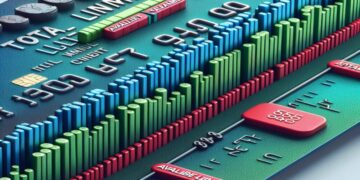
Difference between total limit and available limit on the card
Understanding credit card limits is essential for effective financial management. The total limit is the maximum credit available, while the available limit fluctuates based on spending and payments. Knowing these distinctions helps consumers avoid overspending and debt while maximizing rewards, leading to healthier credit practices.

Advantages of Digital Financial Planning
Digital financial planning enhances personal finance management by integrating technology for real-time tracking, personalized insights, and automated budgeting. It promotes financial literacy, simplifies goal setting, and fosters collaboration with financial experts, empowering users to make informed decisions and achieve their financial aspirations confidently.

How to identify ghost expenses in the budget
Many overlook ghost expenses that silently deplete their budget. By regularly reviewing subscriptions, recurring payments, and bank fees, individuals can identify and eliminate these hidden costs. Implementing a structured budgeting system and utilizing expense tracking tools can lead to greater financial clarity and help align spending with financial goals.

Differences between CDB, Treasury Direct, and savings account
This article explores various investment and savings options, highlighting CDBs, Treasury Direct, and traditional savings accounts. It discusses each option's interest rates, liquidity, security, and risk, helping readers make informed financial decisions based on their goals and risk tolerance. Understanding these differences is key to effective money management.

How to save money while earning little
This article offers practical strategies for saving money on a limited income, emphasizing budget creation, mindful spending, and maximizing income potential. It highlights the importance of developing saving habits, utilizing community resources, and staying informed about available financial support to build a secure financial future.
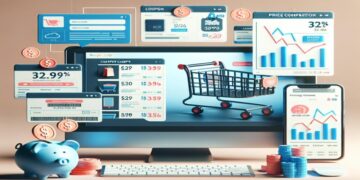
Strategies to Save on Online Shopping
This article explores practical strategies for saving money on online shopping. It emphasizes the importance of price comparison, subscribing to retailer newsletters, using cashback apps, and leveraging coupons. Additionally, timing purchases around sales events and maintaining a budget are highlighted as effective ways to enhance savings while shopping online.

How to use coupons and discounts without falling into consumerism
In a consumer-driven world, smart shopping requires a mindful approach to using coupons and discounts. By establishing a clear budget, evaluating needs, and utilizing technology wisely, you can save money while avoiding impulse purchases and staying true to your financial goals, fostering healthier spending habits.

Tips to Save on Energy and Water Bills
This article emphasizes the importance of conserving energy and water to save money and protect the environment. It offers practical tips such as using energy-efficient appliances, smart thermostats, and water-saving fixtures, along with simple daily habits that can lead to significant reductions in utility bills over time.

How to build a diversified investment portfolio
Creating a diversified investment portfolio is essential for financial security. By mixing asset classes, geographic regions, and sectors, you can balance risk and enhance returns. Regularly reviewing and adjusting your investments, coupled with informed decision-making, empowers you to navigate market fluctuations confidently and achieve long-term financial goals.

The importance of reviewing your fixed expenses annually
Regularly reviewing fixed expenses is vital for effective financial management. It helps identify unnecessary costs, enables better rate negotiations, and fosters strategic budgeting. Small adjustments in areas like insurance, utilities, and subscriptions can lead to significant savings, enhancing overall financial stability and helping achieve long-term financial goals.
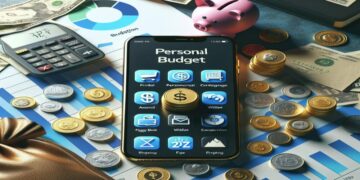
Best Free Apps for Personal Budgeting
Personal budgeting apps simplify financial management by enabling real-time tracking of income and expenses. This article highlights top free options for Canadians, such as Mint, YNAB, and GoodBudget, each offering unique features to enhance budgeting strategies and empower users towards achieving their financial goals.

How to Take Advantage of Cashback Programs to Save More
Cashback programs offer an excellent way to save money on everyday purchases by earning back a percentage of spending. By analyzing spending habits, selecting optimal cards or apps, and staying informed about promotions, individuals can maximize rewards and enjoy significant savings over time. Understanding cashback categories and limits is essential for effective utilization.