
How to choose between fixed income and variable income for investment
Investing involves choosing between fixed income and variable income options. Fixed income offers stability and predictable returns, while variable income presents higher growth potential but with increased risk. Understanding your financial goals, risk tolerance, and market conditions is key to crafting a balanced investment strategy tailored to your needs.

Methods of Economy for Families with Young Children
This article offers practical strategies for families with young children to manage finances more effectively. It emphasizes meal planning, utilizing community resources, second-hand shopping, and budgeting techniques to alleviate financial stress while ensuring a fulfilling family life. Small, mindful adjustments can lead to significant savings and enhanced experiences.

Strategies to Pay Off Debts Without Compromising Essentials
This article outlines practical strategies for effective debt management while maintaining essential living standards. Key methods include budgeting, prioritizing debts, cutting non-essentials, and utilizing financial tools. Engaging in financial literacy and cultivating a support system are also essential for achieving a balanced approach to debt repayment.
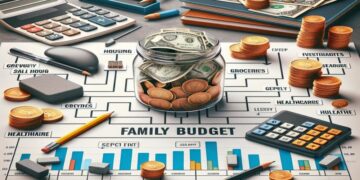
How to Create an Efficient Family Budget Step by Step
Creating a family budget empowers households to make informed financial decisions and achieve goals such as saving for education or vacations. By gathering financial information, setting clear goals, and involving family members, budgeting can become a manageable routine that adapts to changing circumstances while ensuring financial stability.

Advantages and risks of automated investments (robo-advisors)
Automated investments, or robo-advisors, offer Canadian investors a cost-effective and accessible way to manage portfolios. While they provide lower fees, automated rebalancing, and ease of use, potential risks include limited human interaction and reliance on algorithms. Investors should carefully weigh these factors against their unique financial goals.

How to use financial goals to maintain budgeting discipline
Establishing clear financial goals serves as a roadmap for effective budgeting, driving disciplined spending and saving habits. By integrating specific, measurable targets into a realistic budget and utilizing tools for monitoring progress, individuals can achieve financial stability while adapting to life’s changes and celebrating small wins along the way.

Passive income: simple strategies to start from scratch
This article explores the concept of passive income, highlighting various strategies to generate wealth with minimal ongoing effort. By investing in real estate, stocks, digital products, or leveraging affiliate marketing, individuals can achieve financial independence and diversify their income sources, ultimately enhancing their quality of life and financial security.

How to Cut Unnecessary Expenses Without Compromising Leisure
This article offers practical strategies for managing finances while enjoying leisure activities. It emphasizes budgeting, distinguishing needs from wants, negotiating bills, and discovering affordable entertainment. By adopting cost-effective habits, such as cooking at home and engaging in free community events, you can enrich your life without overspending.

Differences between SAC and PRICE amortization in debts
This article explores the differences between the SAC and PRICE debt repayment methods. It highlights their distinct features, advantages, and drawbacks, helping borrowers assess their financial situations and preferences. By understanding these methods, individuals can make informed decisions that align with their long-term financial goals.

How to apply the 50/30/20 rule to your financial life
The 50/30/20 rule simplifies financial management by allocating 50% of income to needs, 30% to wants, and 20% to savings. By categorizing expenses and tracking progress, individuals can enhance their budgeting skills, align spending with goals, and secure a stable financial future through mindful tracking and automation.

Investing in ETFs: what they are and how they work
Exchange-Traded Funds (ETFs) offer a flexible and cost-effective way to diversify investments. They allow investors to trade throughout the day on stock exchanges, providing access to various assets. While they come with benefits like lower costs and tax efficiency, understanding the associated risks is crucial for informed decision-making.

Tips to Save on Energy and Water Bills
This article emphasizes the importance of conserving energy and water to save money and protect the environment. It offers practical tips such as using energy-efficient appliances, smart thermostats, and water-saving fixtures, along with simple daily habits that can lead to significant reductions in utility bills over time.

How to build a diversified investment portfolio
Creating a diversified investment portfolio is essential for financial security. By mixing asset classes, geographic regions, and sectors, you can balance risk and enhance returns. Regularly reviewing and adjusting your investments, coupled with informed decision-making, empowers you to navigate market fluctuations confidently and achieve long-term financial goals.

The importance of reviewing your fixed expenses annually
Regularly reviewing fixed expenses is vital for effective financial management. It helps identify unnecessary costs, enables better rate negotiations, and fosters strategic budgeting. Small adjustments in areas like insurance, utilities, and subscriptions can lead to significant savings, enhancing overall financial stability and helping achieve long-term financial goals.
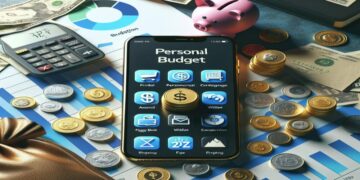
Best Free Apps for Personal Budgeting
Personal budgeting apps simplify financial management by enabling real-time tracking of income and expenses. This article highlights top free options for Canadians, such as Mint, YNAB, and GoodBudget, each offering unique features to enhance budgeting strategies and empower users towards achieving their financial goals.

How to Take Advantage of Cashback Programs to Save More
Cashback programs offer an excellent way to save money on everyday purchases by earning back a percentage of spending. By analyzing spending habits, selecting optimal cards or apps, and staying informed about promotions, individuals can maximize rewards and enjoy significant savings over time. Understanding cashback categories and limits is essential for effective utilization.

Financial planning for singles living alone
Living alone presents unique financial challenges and opportunities. Effective financial planning, including budgeting, emergency funds, retirement savings, and insurance, empowers singles to secure their future. By diversifying income and making informed investment choices, individuals can achieve financial stability and personal growth, fostering independence and peace of mind.

How to Avoid Common Traps When Using a Credit Card
Navigating credit cards can be daunting due to potential pitfalls that may impact financial health. This article outlines key strategies to avoid high-interest rates, excessive fees, and debt accumulation, promoting informed decision-making and fostering responsible credit use for a secure financial future.