The importance of co-branding in the automotive and fashion industries: how strategic partnerships can boost brand visibility.
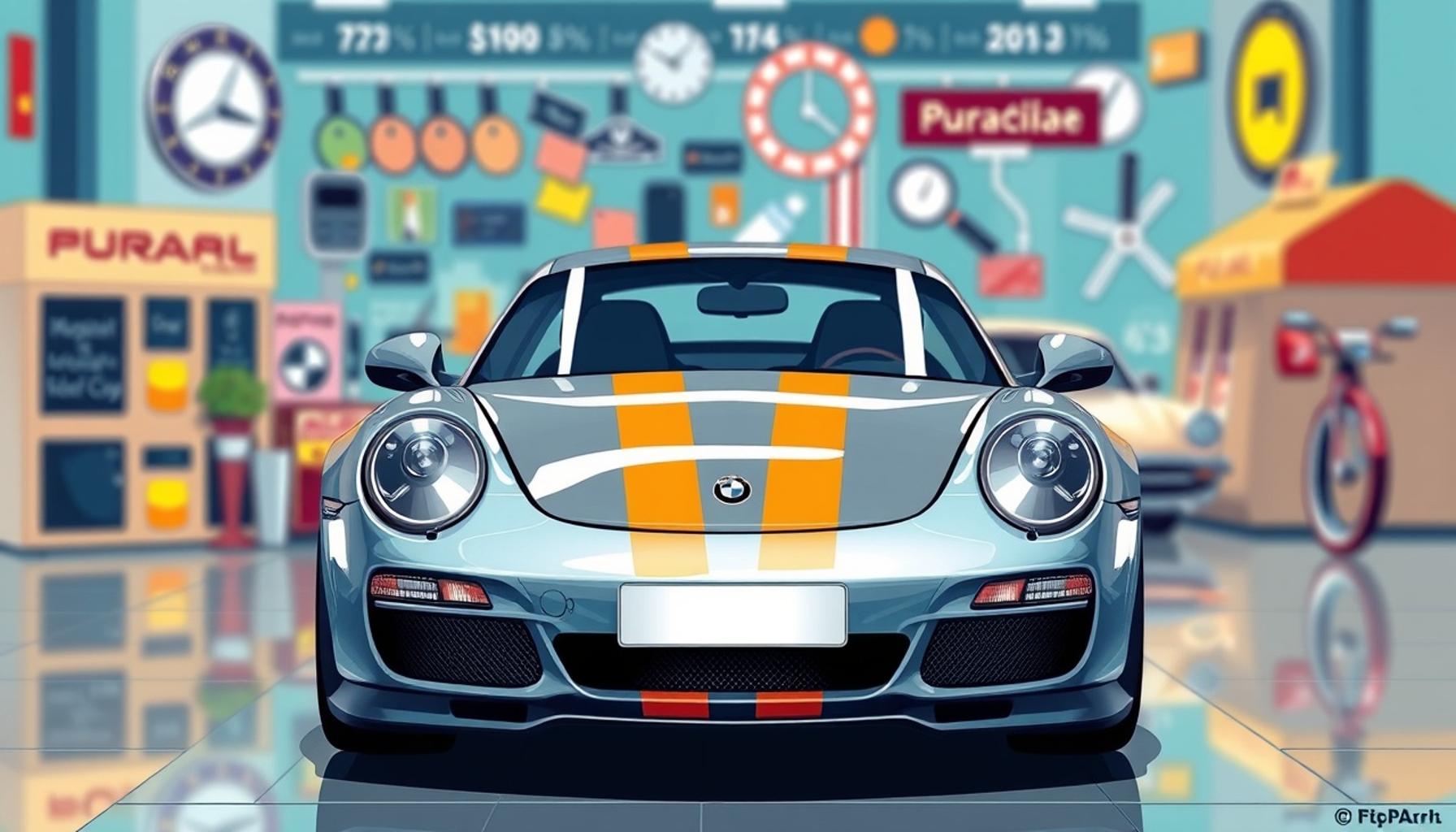
Understanding Co-Branding
In a landscape where consumer attention is fleeting and competition is fierce, it becomes crucial for brands to differentiate themselves. Co-branding serves as a strategic alliance between two or more brands that integrates their strengths to create a unique product or experience. This partnership not only enhances visibility but can also tap into new customer segments that may have previously been out of reach for either brand.
The automotive and fashion industries stand out as notable examples of successful co-branding. These sectors often thrive on exclusivity and reputation, making partnerships particularly beneficial. When two well-established names come together, the result can be a revolutionary product that resonates with consumers on multiple levels. For example, when an iconic sports car manufacturer collaborates with a luxury fashion designer, they craft more than just a vehicle; they shape a lifestyle that appeals to affluent consumers who value both performance and style.
Key Benefits of Co-Branding
- Expanded Reach: Co-branding allows businesses to reach audience segments they may not have been able to access independently. By aligning with a partner brand that shares a complementary target demographic, each brand can increase its visibility and appeal.
- Increased Credibility: Collaborating with established and reputable brands fosters trust among consumers. When a respected designer lends their name to a car, for instance, consumers may view the vehicle as a status symbol—an impression that enhances the brand’s overall prestige.
- Creative Synergy: Partnerships can lead to innovative product designs. By merging the different artistic and engineering talents of each brand, they can create offerings that are not only functional but visually stunning, ultimately standing out in the marketplace.
One prominent example can be seen in collaborations like the partnership between BMW and designer labels, where limited-edition cars feature exclusive interiors inspired by high fashion. These vehicles often become sought-after collector items, driving demand not just for the car itself but also for the designer.
Moreover, co-branding presents a wealth of marketing opportunities. Brands can pool their marketing resources for shared advertising campaigns, resulting in enhanced visibility without significantly increasing costs. Joint promotional events can also captivate audiences, creating memorable experiences that deepen consumer engagement.
As we navigate further into this discussion, we will delve into various co-branding structures and assess the advantages they bring to both the automotive and fashion industries. Ultimately, collaboration can serve as a pivotal strategy for driving long-lasting brand success in an evolving marketplace.
DIVE DEEPER: Click here to learn how to apply
Unlocking Brand Synergies Through Co-Branding
Co-branding in the automotive and fashion industries provides a pathway for brands to leverage their unique strengths and create compelling products that capture consumer attention. This type of partnership not only enhances brand visibility but also enriches the consumer experience. A well-executed co-branding strategy can transform a simple product into a coveted item that resonates deeply with a target audience.
To understand how co-branding can be effective, let’s explore several key components that drive its success:
- Target Market Alignment: A significant advantage of co-branding is the alignment of target markets between partnering brands. For instance, when a luxury car brand collaborates with a high-end fashion label, they are tapping into a shared audience that values premium experiences. This partnership allows both brands to pool their customer bases, effectively widening their reach and increasing brand loyalty.
- Innovative Product Development: Collaboration fuels creativity. Designers and engineers can brainstorm together, merging fashion trends with cutting-edge automotive technology. For example, the collaboration between Jeep and a popular outdoor clothing brand led to the creation of an all-terrain vehicle equipped with features designed for adventure enthusiasts, appealing to consumers who are active and style-conscious.
- Enhanced Storytelling: A powerful narratives help brands connect emotionally with consumers. Co-branding enables both companies to tell a joint story that combines their heritage and values. An example of this is the partnership between Ford and a renowned designer who creates an entire line of vehicle accessories, showcasing how the automotive experience can extend into fashion.
The impact of co-branding is vividly illustrated through collaborations like the one between Audi and fashion label Hugo Boss. Audi’s sleek design philosophy is matched beautifully with Hugo Boss’s sophisticated style, resulting in limited-edition vehicles adorned with exclusive interiors that reflect the essence of high fashion. These co-branded products are not just modes of transportation; they become symbols of status and artistry, making them highly desirable.
Furthermore, co-branding offers an opportunity for both brands to engage in joint marketing strategies. By combining resources, they can create multi-channel campaigns that amplify their presence and save on marketing costs. Shared celebrity endorsements, for instance, can bring additional visibility, as fans of both brands are likely to take notice. A partnership could even include collaborative events that bring the brands’ audiences together, further solidifying their connection.
As we continue to explore the merits of co-branding, we will examine specific examples and frameworks that contribute to successful partnerships in the automotive and fashion sectors. The interplay between these industries showcases how strategic alliances pave the way for innovative solutions and enhanced consumer experiences, ultimately driving brand growth in a competitive marketplace.
DIVE DEEPER: Click here to discover more
Fueling Brand Visibility Through Strategic Collaborations
Beyond enhancing the consumer experience and driving product innovation, co-branding plays a pivotal role in amplifying brand visibility through strategic collaborations. This visibility is not just about recognition; it translates into consumer trust and loyalty, which are crucial for sustained business growth. Let’s delve deeper into the various ways co-branding can bolster brand visibility in the automotive and fashion industries.
- Cross-Industry Promotion: One of the standout advantages of co-branding is the ability for brands to engage in cross-industry promotion. When an automotive brand teams up with a fashion label, their products gain exposure to different demographics. For instance, the partnership between Mini Cooper and the fashion brand Paul Smith introduced limited edition cars featuring unique design elements. This collaboration not only attracted automotive enthusiasts but also garnered attention from fashion consumers, effectively merging two distinct markets and creating buzz around both brands.
- Exclusive Offerings: Co-branded products often come with a sense of exclusivity that consumers find appealing. This exclusivity not only drives immediate sales but also generates conversations about the brands involved. For example, Ford’s collaboration with the luxury fashion brand, MCM, resulted in a special edition Ford Explorer that incorporated high-quality materials and unique design aesthetics found in MCM’s products. The limited availability of such exclusive offerings encourages consumers to act quickly, further boosting visibility through word-of-mouth and social media sharing.
- Leveraging Brand Values: Co-branding allows partners to amplify each other’s core values, creating a more significant impact. If a sustainable fashion brand partners with an eco-friendly automotive company, they align their messages of environmental consciousness, appealing to consumers who prioritize sustainability. This tactic not only elevates brand visibility but also reinforces their commitment to shared values, fostering stronger emotional connections with their audiences. For instance, the partnership between Tesla and various sustainable lifestyle brands showcases how brands can merge their environmental missions to reach eco-aware consumers effectively.
Furthermore, co-branding can enhance digital visibility through online content and social media engagement. By creating joint digital campaigns that highlight the collaboration, both brands can tap into each other’s online communities. For example, a co-branding partnership between Nissan and a popular fashion influencer can utilize social media platforms to showcase the stylish integration of automotive design and fashion, reaching a wider audience through sponsored posts and collaborative videos. The viral potential of such content can lead to a ripple effect, increasing brand visibility exponentially.
Additionally, co-branding opens the door to hosting unique experiential events that captivate both automotive and fashion audiences. These events present opportunities for brands to showcase their collaborative products in an engaging format. Take, for example, a launch event for a new luxury SUV intertwined with a high-fashion runway show. Attendees from both industries can enjoy an immersive experience that highlights the relationship between the two worlds, leaving a lasting impression that resonates with potential customers.
In exploring these multifaceted approaches to enhancing brand visibility through co-branding, it becomes evident that such collaborations hold immense potential. As automotive and fashion brands continue to innovate and work together, the opportunities for increased visibility and market penetration remain significant, demonstrating the dynamic relationship between these two ever-evolving industries.
DISCOVER MORE: Click here to learn how to apply for an Oportun loan
Integrating Brands for a Brighter Future
In conclusion, the significance of co-branding within the automotive and fashion industries cannot be overstated. Both sectors stand to gain immensely from strategic partnerships that amplify brand visibility and create mutually beneficial opportunities. As we’ve explored, through cross-industry promotion, brands can reach new audiences and expand their market share, tapping into diverse consumer bases that would otherwise remain untapped. The allure of exclusive offerings adds a layer of excitement, driving demand and encouraging consumer engagement, while also facilitating valuable discussions both online and offline.
Moreover, by leveraging shared brand values, companies can create a cohesive narrative that resonates deeply with the growing demographic of socially conscious consumers. This not only boosts visibility but fosters a genuine connection that can translate into loyalty and advocacy among consumers. The enhancement of digital visibility through strategic social media campaigns further exemplifies how co-branding can elevate brands in an increasingly digital marketplace.
As demonstrated by successful collaborations such as Mini Cooper with Paul Smith or Tesla with sustainable lifestyle brands, the potential for innovation through co-branding is vast and should be embraced by companies looking to stand out. Ultimately, as the automotive and fashion industries continue to evolve, strategic partnerships will play a crucial role in shaping the future landscape, driving not only visibility but also fostering creativity and collaboration. Brands that leverage the power of co-branding today are positioning themselves for sustained growth and relevance in an ever-competitive marketplace.

Linda Carter
Linda Carter is a journalist and writer responsible for closely monitoring the topics published and continuously contributing to the content production of this website. On a daily basis, she conducts research, organizes information, and helps transform complex subjects into clear and easy-to-understand texts, always focusing on the reader's usefulness.