How to use a credit card without falling into the revolving credit trap
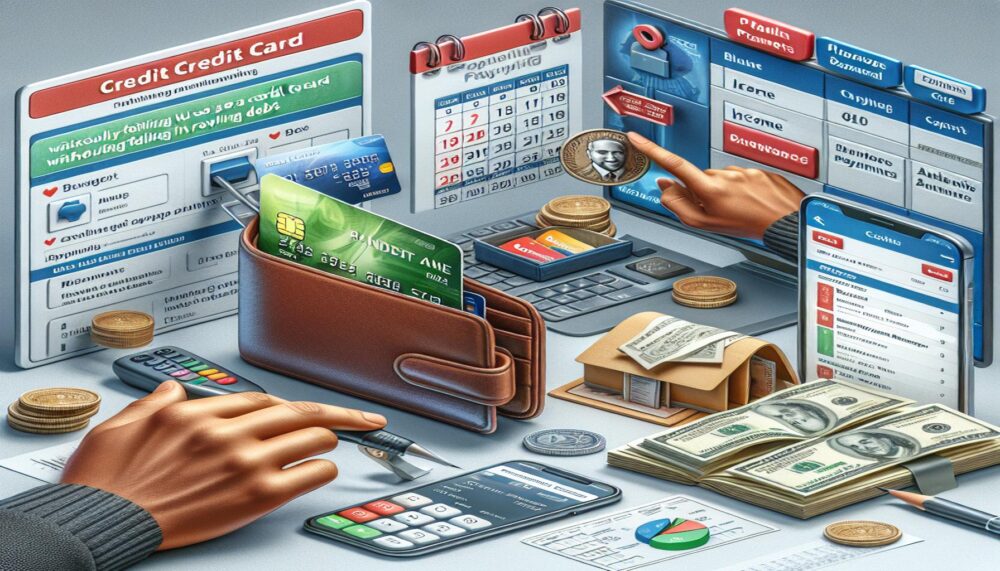
Understanding Credit Cards Safely
Credit cards can be a powerful financial tool when used wisely. However, for many Canadians, they often lead to unexpected debt due to the revolving credit trap. By grasping some key strategies, you can use your card effectively and avoid falling into this common pitfall.
First, it’s essential to understand what revolving credit means. This term refers to a credit arrangement where you can borrow repeatedly up to a certain limit, paying back a portion of what you owe each month. When you carry a balance from month to month, interest accumulates, leading to higher debts over time. For example, if you charge $500 on your credit card and only pay $100 monthly, you will incur interest on the remaining balance, turning a manageable expense into a costly burden.
Some practical strategies to prevent falling into this situation include:
- Pay your balance in full each month to avoid interest fees. For instance, if your bill is $400, paying it off before the due date ensures that you won’t pay any interest, thereby potentially saving you hundreds of dollars per year.
- Set a budget for your monthly spending to stay within limits. By allocating a specific amount for discretionary spending, you can avoid impulse purchases that may lead to debt accumulation.
- Track your expenses regularly to ensure you aren’t overspending. Using budgeting apps or simple spreadsheets can help you monitor your expenses closely, allowing you to adjust your spending habits as necessary.
Using a credit card can also offer rewards and benefits if managed properly. It is vital to take advantage of features like:
- Cashback rewards that provide incentives for purchases. For example, many cards offer 1% to 5% cashback on essential expenses like groceries and gas, which can accumulate over time.
- Travel perks that can save money on flights and accommodations. Cards may offer points that can be redeemed for travel expenses, providing a fantastic way to cut down on vacation costs.
- Building your credit score, which opens doors for future loans. Successfully managing a credit card can improve your credit score, making it easier to obtain financing for significant purchases, such as a home or car.
By understanding these fundamentals and being proactive, you can enjoy the advantages of credit cards without getting trapped in harmful debt. Implementing these strategies will empower you to navigate the financial landscape effectively and turn your credit card into a beneficial asset rather than a source of stress.
Creating a Strong Financial Foundation
Before diving into the intricacies of credit card usage, it’s essential to lay a strong financial foundation. This means having a clear understanding of your financial situation and knowing exactly what you can afford. Begin by evaluating your income and expenses to develop a personalized financial plan. This plan will guide your credit card usage, ensuring you don’t spend beyond your means.
One of the first steps in this process is to establish an emergency fund. This fund acts as a financial safety net, covering unexpected expenses without the need to rely on your credit card. Aim to save at least three to six months’ worth of living expenses. By having this cushion in place, you can avoid the temptation of using your credit card for emergencies, which can lead to carrying a balance and accruing interest.
Utilizing Credit Wisely
Once you have a solid financial base, it’s time to explore how to leverage your credit card effectively. Here are some practical tips to keep in mind:
- Choose the right credit card for your lifestyle. Research different cards to find one that aligns with your spending habits. If you often shop at certain stores, you might benefit more from a card that offers rewards or discounts at those retailers. For frequent travellers, a card that earns travel points could provide significant value.
- Limit your credit utilization to maintain a good credit score. Aim to use no more than 30% of your credit limit at any time. For example, if your credit limit is $1,000, try to keep your balance below $300. This shows lenders that you are responsible with credit and can help improve your credit rating.
- Be mindful of your payment due dates. Set reminders on your phone or calendar to ensure you never miss a payment. Late payments can lead to penalties, increased interest rates, and can negatively affect your credit score. By staying on top of your payments, you can maintain a positive credit history.
Adopting these habits will make a significant difference in how you use your credit card, helping you steer clear of the revolving credit trap. Remember, credit cards are most beneficial when used as a tool for convenience and rewards, rather than a crutch for financial shortfalls. By instilling these practices into your routine, you empower yourself to manage your finances better and take full advantage of the benefits that credit cards offer.
Mastering the Art of Repayment
One of the most critical aspects of using a credit card responsibly is mastering the art of repayment. Understanding how credit card interest works is essential to avoid the revolving credit trap. When you carry a balance forward from one month to the next, you incur interest on that amount. The longer you take to pay it off, the more you end up paying in interest. To combat this, consider the following strategies:
- Pay your balance in full each month. This is the best way to avoid interest charges altogether. By paying off your entire statement balance by the due date, you prevent accruing any interest and keep your credit utilization low. For example, if your monthly statement shows a balance of $500, aim to pay that amount before the due date. This practice not only protects your wallet but also enhances your credit score.
- Use automated payments to simplify your repayment process. Setting up your credit card to automatically deduct a predetermined amount, or your full balance, from your bank account each month can help ensure you never miss a payment or incur late fees. Just be careful to keep enough funds in your account to cover the payment.
- If you must carry a balance, pay more than the minimum. Life can be unpredictable, and sometimes carrying a balance may be unavoidable. In such instances, strive to pay more than the minimum payment required. This reduces the amount of interest you’ll accrue and speeds up your ability to pay off the balance. For example, if your minimum payment is $50, consider paying $100 instead. This can significantly decrease your debt over time.
By developing a regular repayment habit, you’re laying the groundwork for healthy credit management. In Canada, it’s particularly important to attend to your credit report and score, as these factors can significantly impact your financial future, influencing everything from loan approvals to interest rates.
Understanding Promotional Offers and Terms
Another essential facet of utilizing credit cards wisely is understanding promotional offers, such as 0% introductory rates or cashback rewards. While these offerings can provide significant benefits, they come with caveats that you must be aware of:
- Read the fine print before taking advantage of promotional rates. Many introductory interest rates are temporary and can jump to much higher rates once the promotional period ends. Make sure to know when the promotion expires and how the new rate will affect your future payments.
- Be cautious with rewards programs. While cashback and points can be enticing, it’s crucial to ensure that the pursuit of rewards doesn’t lead to overspending. Stick to your budget and use credit only for planned purchases. This mindset allows you to enjoy rewards without falling into debt.
- Keep track of expiry dates for rewards. Some rewards or cashback offers may have expiration dates or minimum redemption amounts. Be proactive about using your points or cashback before they become unusable. This guarantees you fully benefit from your spending rather than losing out on potential savings.
By combining responsible repayment strategies with a keen understanding of promotional offers, you can navigate the credit card landscape with confidence. Remember, the goal is to use credit as a helpful financial tool, not as a source of unnecessary stress or debt. With careful planning and informed decision-making, you can enjoy the benefits of credit cards while steering clear of the revolving credit trap.
Conclusion
Using a credit card can be a valuable financial tool, but it requires careful management to avoid falling into the revolving credit trap. By adhering to the strategies discussed, such as paying your balance in full each month and setting up automated payments, you can significantly reduce the risk of incurring high interest charges. Recognizing the importance of these habits not only safeguards your financial health but also helps you build a positive credit history.
Moreover, understanding promotional offers and rewards programs is crucial. While these can enhance your experience and provide benefits, they should never overshadow your primary focus—responsible spending. Always assess the potential long-term costs associated with promotional rates and make sure that your pursuit of rewards aligns with your budgetary constraints.
In Canada, maintaining a strong credit score is particularly vital as it can affect your future financial opportunities. By prioritizing your payment schedule and being prudent with your credit usage, you can not only avert the pitfalls of revolving credit but also pave the way for a more secure financial future. Ultimately, treat your credit card as a tool for convenience rather than a source of debt. With diligence and a proactive approach, you will harness the full advantages of credit cards while enjoying financial peace of mind.
Related posts:
The main mistakes when using a credit card in everyday life
How to Apply for the AMEX Business Platinum Card for Business Owners
No Annual Fee Credit Cards: Advantages and Pitfalls
How to Apply for National Bank Personal Loans Step-by-Step Guide
How to Apply for MBNA True Line Mastercard Credit Card Easily
How to Apply for the AMEX American Express Aeroplan Reserve Card

Linda Carter is a writer and financial expert specializing in personal finance and money management. With extensive experience helping individuals achieve financial stability and make informed decisions, Linda shares her insights on the Web Dinheiro platform. Her goal is to empower readers with practical advice and strategies for financial success.