How to divide the budget between needs, wants, and savings
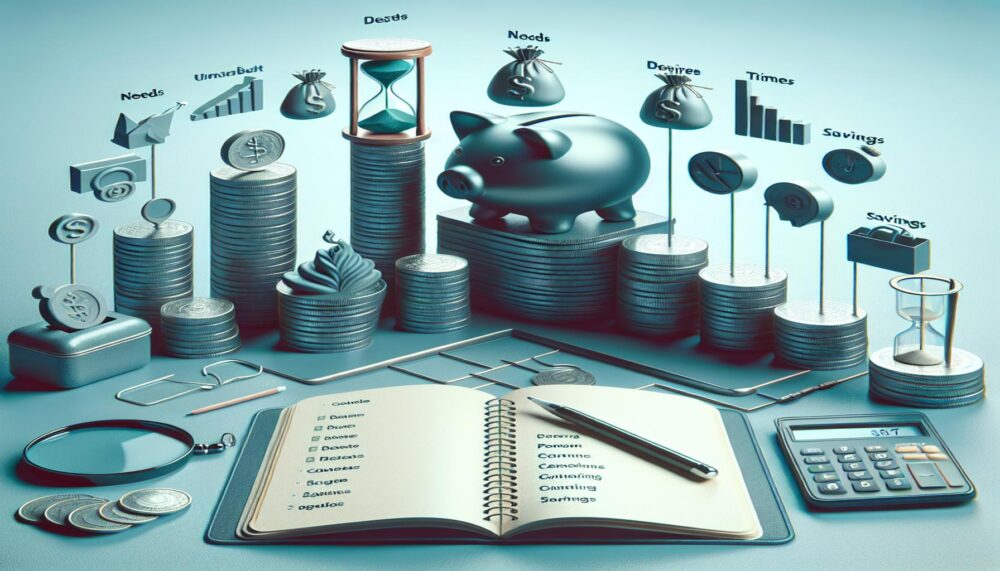
Understanding Budget Allocation
Effective budgeting is crucial for achieving financial stability, especially in today’s world where expenses can easily spiral out of control. It involves making informed decisions about how to allocate your income in a way that aligns with your life goals and priorities. A popular and practical approach is to divide your budget into three main categories: needs, wants, and savings.
Identifying Your Categories
Each of these categories plays a vital role in your financial plan, helping you manage both your immediate and long-term financial goals:
- Needs: This category encompasses essential expenses that are crucial for your survival and quality of life. These include housing payments, utilities, groceries, transportation costs, and health insurance. For instance, in urban areas like Toronto or Vancouver, rent can take up a significant portion of your income. It’s important to identify these necessities clearly to ensure you prioritize them in your budget.
- Wants: Contrary to needs, wants are the non-essential items that enhance your lifestyle. These could be dining out at restaurants, subscribing to streaming services, or indulging in luxury items. While it can be tempting to splurge on these, especially during sales or promotions, it’s essential to assess if they fit within your budget after accounting for needs and savings. For a Canadian family, this might mean reducing the frequency of take-out meals to save for a family trip to Banff.
- Savings: This category is dedicated to preparing for the future and includes contributions to retirement accounts like Registered Retirement Savings Plans (RRSPs), building an emergency fund, or saving for a down payment on a home. Establishing a habit of saving, even a small percentage of your income each month, can significantly impact your financial security over time.
In Canada, understanding and distinguishing these categories helps you prioritize your spending effectively. For example, during the cold winter months, your heating bill may rise significantly, prompting you to adjust your budget to ensure sufficient resources for warmth while being mindful to curb discretionary spending on wants, like frequent coffee shop visits.
The Importance of Balance
Striking a balance among these categories is essential for maintaining both short-term comfort and long-term security. By ensuring that your needs are met first, you create a solid foundation upon which you can responsibly indulge in your wants without jeopardizing your savings. A balanced budget allows for flexibility and can lead to reduced financial stress, helping you cultivate a lifestyle that reflects your values and aspirations.
Ultimately, a well-structured budget is not just about restricting yourself; it is about empowering yourself to make informed financial decisions that pave the way for a secure future. As you navigate through your financial journey, remember that adjusting your budget as your needs and circumstances change is a sign of good financial stewardship.
Practical Steps to Categorize Your Budget
Budgeting effectively requires a systematic approach to categorize your expenses. By establishing clear definitions for your needs, wants, and savings, you can create a budget that effectively reflects your priorities. Below, we will discuss practical steps to help you discern between these categories and effectively allocate your funds to achieve a well-balanced budget.
Step 1: Assess Your Needs
The first step in establishing a robust budget is to conduct a thorough assessment of your needs. These are non-negotiable expenses that must be covered to maintain your basic standard of living. To help you identify your needs, consider the following list:
- Housing: Rent or mortgage payments represent a significant portion of your budget. It’s essential to ensure that this expense is realistically affordable in light of your overall income.
- Utilities: Electricity, heating, water, and internet services fall under this category. Track your monthly consumption to better predict and manage these costs.
- Groceries: Identify what your household requires in terms of food and household supplies each month. Consider creating a shopping list to avoid impulse purchases.
- Transportation: Whether you use public transit or own a vehicle, costs like public transport fares, gas, parking, and maintenance should be included.
- Healthcare: Include health insurance premiums and out-of-pocket expenses for medications and doctor visits in this category.
By itemizing your needs, you can accurately determine how much of your income must be allocated to ensure that your essential expenses are covered before anything else.
Step 2: Differentiate Your Wants
After assessing your needs, the next step is to identify your wants. These are the discretionary spending items that enhance your lifestyle but are not essential for your survival. Recognizing the difference between wants and needs can be challenging, especially when it comes to lifestyle choices. To help clarify this distinction, consider these questions:
- Do I need this item to fulfill my basic requirements, or is it something I desire to enhance my lifestyle?
- How often do I use or enjoy this item? Is it worth spending my budget on it?
- Is there a less expensive alternative that could satisfy my desire?
Common examples of wants include subscriptions to entertainment services, dining out, travel, and luxury items. While it’s important to enjoy your hard-earned money, being mindful of these expenses ensures that they remain within the confines of your budget after accounting for needs and savings.
Step 3: Prioritize Your Savings
Finally, allocating a portion of your income to savings is crucial for financial stability. Savings can encompass various goals, from building an emergency fund to investing in long-term retirement plans. A good rule of thumb is to aim for at least 20% of your income to be set aside for savings. Consider the following two subcategories in your savings plan:
- Emergency Fund: Aim to save three to six months’ worth of living expenses to cover unexpected costs, such as job loss or medical emergencies.
- Long-term Goals: This includes retirement savings accounts (like RRSPs) or saving for major life milestones, such as buying a home or funding education.
By consistently prioritizing savings in your budget, you are investing in your future and ensuring that you have financial resources available when needed.
Implementing the 50/30/20 Rule for a Balanced Budget
One helpful budgeting method that can simplify the process of dividing funds among needs, wants, and savings is the 50/30/20 rule. This straightforward guideline can help you allocate your income in a balanced and manageable way. Let’s dive into how you can apply this rule effectively.
50% for Needs
The first component of the 50/30/20 rule dictates that 50% of your income should be reserved for your needs. This encompasses all the non-negotiable expenses you’ve identified in your initial assessment, such as housing, utilities, groceries, transportation, and healthcare. By capping your essential expenditures at 50%, you ensure that you have sufficient funds available for your discretionary spending and savings.
To apply this practically, calculate your total monthly income and multiply it by 0.50. For instance, if your monthly net income is $4,000, your maximum allocation for needs should be $2,000. Review your current expenses, and adjust where necessary. This might mean negotiating a better rate for your utility bills or finding a more affordable option for groceries without compromising on quality.
30% for Wants
The next segment of the 50/30/20 rule allows for 30% of your income to be spent on wants. This portion is designed to enrich your life and provide enjoyment, so it includes expenses like dining out, entertainment, vacations, and hobbies. A healthy balance between wants and needs is crucial for maintaining motivation and overall satisfaction with your financial plan.
To calculate your budget for wants, again use your total monthly income. If sticking with the previous example of a $4,000 monthly income, you would dedicate $1,200 (30% of $4,000) to your wants. Here’s where practicality meets enjoyment: consider limiting how often you dine out each month or exploring free or low-cost community activities that can provide entertainment without breaking the bank.
20% for Savings
Finally, a significant part of the 50/30/20 rule emphasizes the importance of savings, setting aside 20% of your income for future needs. This includes contributions to your emergency fund, retirement accounts, or even saving for major purchases such as a home or a new vehicle. Establishing a solid savings habit builds a financial safety net that prepares you for unforeseen circumstances.
Continuing with the previous example, if your income is $4,000, you would save $800 each month. Start by automating your savings; set up a direct deposit that transfers this amount into a savings account right when you receive your paycheck. By treating savings as an essential expense, you reinforce your commitment to secure your financial future.
While the 50/30/20 rule offers a clear framework, it’s essential to consider adjusting the percentages based on your specific financial situation and goals. For instance, if you have a pressing financial obligation or an ambitious savings goal, consider reducing the wants portion to allocate more towards savings.
Practice flexibility in your budgeting. Be prepared to revisit and adjust your allocations as your financial situation and priorities evolve. Remember, the goal of budgeting is not just about restricting spending; it’s about empowering yourself to make informed financial decisions that align with your aspirations and needs.
Conclusion: Cultivating Financial Balance
In summary, effectively dividing your budget between needs, wants, and savings is a vital skill that can lead to financial stability and peace of mind. The 50/30/20 rule provides a clear and practical framework that makes it easier to allocate your income towards essential expenses, leisure activities, and future savings. By dedicating 50% of your income to needs, 30% to wants, and 20% to savings, you can maintain a balanced lifestyle while also preparing for unforeseen circumstances.
Moreover, it’s crucial to remember that budgeting is not a one-size-fits-all approach. Each individual’s financial situation is unique; therefore, it may be necessary to adjust these percentages based on your personal priorities or unexpected expenses. For example, if you have a goal to purchase a home, consider reducing discretionary spending temporarily to bolster your savings.
As you embark on your budgeting journey, regularly review your expenses and be open to adjustments as your circumstances change. This flexibility not only keeps you in control of your finances but also empowers you to enjoy life without guilt, knowing that you have a plan in place. Lastly, always keep in mind that the ultimate goal of budgeting is to foster a secure financial future while enriching your present.
Related posts:
How to avoid getting into debt during festive seasons
How to save money living alone
Differences between SAC and PRICE amortization in debts
How to Organize a Personal Annual Budget
How to choose between fixed income and variable income for investment
How to apply the 50/30/20 rule to your financial life

Linda Carter is a writer and financial expert specializing in personal finance and money management. With extensive experience helping individuals achieve financial stability and make informed decisions, Linda shares her insights on the Web Dinheiro platform. Her goal is to empower readers with practical advice and strategies for financial success.