Economy Techniques for Those Living on Minimum Wage
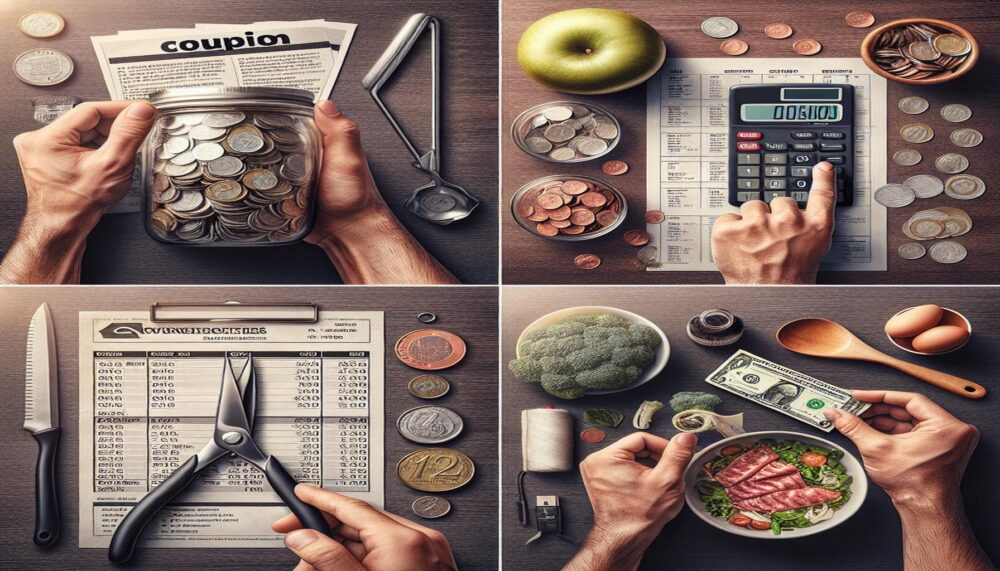
Managing Finances Wisely
Living on a minimum wage can pose significant challenges, but with the right economy techniques, it is possible to make ends meet and even thrive. Understanding how to budget effectively and prioritize spending is crucial for financial stability and long-term well-being. By applying various financial strategies, you can navigate through tight budgets and make informed decisions that enhance your quality of life.
Essential Tips for Managing Your Budget
- Track Your Expenses: Keeping a record of every dollar spent is an essential practice. Utilize apps like Mint or simply maintain a notebook where you jot down all your purchases. This level of awareness enables you to identify unnecessary costs, such as frequent coffee shop visits or impulse buys that can add up over time.
- Create a Realistic Budget: Develop a budget that reflects your true income and expenses. Start by listing all sources of income, like your paycheck and any side jobs. Then, outline all essential expenses, including rent, utilities, groceries, and transportation. By categorizing your expenses, you can see where your money goes and adjust your spending accordingly.
- Use Cash-Only Payment Methods: When possible, make purchases using cash instead of credit or debit cards. With cash, it’s easier to see how much you are spending and you are less likely to overspend compared to when using a card. For instance, you could allocate a certain amount for groceries weekly and only use that cash to shop.
In addition to these budgeting techniques, consider exploring local resources that may assist those on a tight budget. Various community organizations across Canada, such as food banks and financial literacy programs, provide services that can alleviate some financial pressure and teach you how to manage your finances effectively.
Building Financial Resilience
- Shop Smart: Take advantage of sales, discounts, and coupons when shopping. Buying in bulk can also lead to significant savings for non-perishable items. Don’t overlook second-hand stores or thrift shops for clothing and furniture; items are often in good condition and much more affordable than new ones.
- Utilize Public Services: Access free resources such as libraries, which offer not only books but also computers and internet access. Community centers often host free events or classes, while public transportation can help you save money compared to using a personal vehicle.
- Emergency Savings: Aim to set aside even a small amount each month for unexpected expenses. This acts as a financial safety net that can prevent you from going into debt when emergencies arise. For example, if an unforeseen expense like a car repair comes up, having savings can help you manage without stress.
By implementing these practical techniques, you can take control of your finances, reduce stress, and work toward a more secure financial future. Remember, the key is consistency and making mindful choices that align with your financial goals. With patience and determination, managing on a minimal income doesn’t have to mean sacrificing quality of life.
Effective Budgeting Strategies
Establishing a solid financial foundation begins with effective budgeting strategies tailored specifically for those living on minimum wage. The first step is to identify your financial priorities. Focus on essential needs such as housing, food, transportation, and utilities, as these should take precedence over non-essential expenses like entertainment or dining out. Understanding your financial landscape will allow you to approach budgeting with clarity and purpose.
Creating Your Spending Plan
- Start with a Zero-Based Budget: This method ensures that every dollar you earn is allocated to a specific category, leaving you with zero dollars left unassigned. For instance, if your monthly income is $1,500, designate amounts for rent ($800), food ($300), utilities ($150), transportation ($100), and allocate the remaining $150 for savings or debt repayment. This approach creates accountability and transparency in your spending.
- Prioritize Needs Over Wants: Evaluate your spending habits by distinguishing between needs, which are essential for daily living, and wants, which are discretionary expenses. For example, rather than indulging in takeout meals, consider cooking at home to save money. When prioritizing, question each potential purchase: “Is this a necessity?” This thought process helps you keep your budget on track.
- Review and Adjust Regularly: Financial circumstances can change, so it is vital to review your budget regularly. Set aside time weekly or monthly to assess your income and expenses. If you find that certain costs are consistently higher than expected, investigate why and make adjustments as needed. Maybe you need to limit spending in one area to afford something critical in another.
By employing these budgeting strategies, you can enhance your understanding of your financial situation and make informed decisions. Remember, financial literacy is a journey; the more you practice, the better you will become at managing your money.
Exploring Cost-Effective Resources
In addition to creating a robust budget, seeking out resources designed to assist low-income individuals can greatly benefit those living on minimum wage. In Canada, numerous community programs exist to help with everything from food security to financial education:
- Food Banks and Community Meals: These organizations provide essential support by distributing food to those in need. Services like the Salvation Army and local community centers often hold free meal programs that help ease the burden of grocery expenses.
- Government Assistance Programs: Explore federal and provincial benefits available to low-income individuals. Programs such as the Canada Child Benefit or various provincial tax credits can offer valuable financial support, so ensure you check eligibility and application procedures.
- Financial Literacy Workshops: Many non-profit organizations host workshops and classes aimed at improving financial literacy. Taking part in these can empower you with essential money management skills that are not taught in traditional education systems.
By integrating these resources into your financial life, you can create a more sustainable budget that supports your needs while fostering an increased sense of financial stability. Remember, knowledge is power, and utilizing available resources is key to better managing your finances.
Smart Shopping Tips
When living on a minimum wage, shopping smartly can significantly impact your financial situation. By being strategic about your purchases and making informed decisions, you can stretch your budget further. Here are some effective shopping tips that can help you save money without sacrificing quality.
Maximizing Grocery Savings
- Plan Your Meals: Before heading to the grocery store, create a meal plan for the week. Review what ingredients you already have at home, and generate a shopping list based on the meals you plan to prepare. This shopping list will help you avoid impulse buys and purchase only what is necessary.
- Use Coupons and Flyers: Take advantage of grocery store flyers and coupon apps to find discounts on items you regularly purchase. Many stores offer loyalty programs that provide additional savings, so sign up to maximize your benefits. Collecting and using these coupons can lead to considerable savings over time.
- Opt for Generic Brands: Often, generic or store-brand products provide the same quality as name-brand items but at a lower price. When shopping, look for these alternatives to save money on everyday products without compromising on quality.
Making the Most of Community Resources
Utilizing community resources can be a practical aspect of managing your household budget. In addition to food banks and financial literacy workshops, various local organizations may offer additional assistance:
- Free Clothing and Household Goods: Organizations like Goodwill or local charities frequently provide donated clothing and household items at little to no cost. Take advantage of these services to get what you need while conserving cash.
- Transportation Assistance Programs: Many cities in Canada offer subsidized transit passes for low-income individuals. Investigate whether these options are available in your area, as they can significantly reduce transportation costs, making it easier to commute to work or access essential services.
Combining Discounts and Offers
Learning to stack discounts can make a notable difference. Combining sales, coupons, and store promotions can help reduce overall costs. For example, consider purchasing items that are on sale and using a coupon on top of that discount. This way, you maximize your savings on essential items, allowing you to allocate your budget elsewhere.
Choosing Affordable Entertainment
Entertainment doesn’t have to come with a hefty price tag. There are numerous ways to enjoy leisure activities without overspending:
- Take Advantage of Free Events: Look for community events, festivals, and workshops that are often free of charge. Libraries and community centers frequently host movie nights, cooking classes, or art exhibitions that provide enjoyable experiences without the cost.
- Utilize Public Facilities: Parks, public swimming pools, and sports facilities can offer free or low-cost recreational activities. Engaging in outdoor activities not only boosts physical health but also offers a means of socializing without financial strain.
By implementing these smart shopping strategies, you can make the most out of your budget. Being mindful about spending and exploring cost-effective options offers an avenue toward financial stability while living on a minimum wage, allowing you to allocate your resources more effectively and with greater purpose.
Conclusion
Living on a minimum wage can present unique challenges, but with the right economy techniques, it is possible to manage your finances and even thrive. By adopting smart shopping strategies, such as planning meals, utilizing coupons, and opting for generic brands, you can stretch your budget further and minimize unnecessary expenses. Additionally, leveraging community resources can offer vital support, providing not just food and clothing, but also transportation and recreational opportunities that won’t break the bank.
Another essential aspect to consider is finding ways to maximize discounts. By combining sales and promotions, you can ensure that you are getting the best value for your money. Remember, it is not just about saving cents here and there; rather, it is about being intentional with your spending choices to create a more stable financial future.
Moreover, embracing affordable entertainment options can greatly enhance your quality of life without adding financial stress. Engaging in community events or utilizing public facilities can provide enjoyable experiences that foster social connections without the need for costly expenditures.
Ultimately, navigating life on a minimum wage requires careful planning, informed choices, and a proactive approach to finances. By incorporating these techniques into your daily routine, you not only empower yourself to manage your budget effectively but also work towards achieving long-term financial well-being. Remember, every small step towards economic mindfulness counts and can lead to a more secure and fulfilling life.
Related posts:
Debt Consolidation Techniques to Alleviate the Budget
Steps to Achieve Financial Freedom with Discipline
Investment strategies for the long term with little money
Index funds: what they are and why to invest in them
Financial planning for singles living alone
How to Reduce Grocery Expenses Without Sacrificing Quality

Linda Carter is a writer and financial expert specializing in personal finance and money management. With extensive experience helping individuals achieve financial stability and make informed decisions, Linda shares her insights on the Web Dinheiro platform. Her goal is to empower readers with practical advice and strategies for financial success.