Savings plans for travel without going into debt
The Benefits of Travel Budgeting
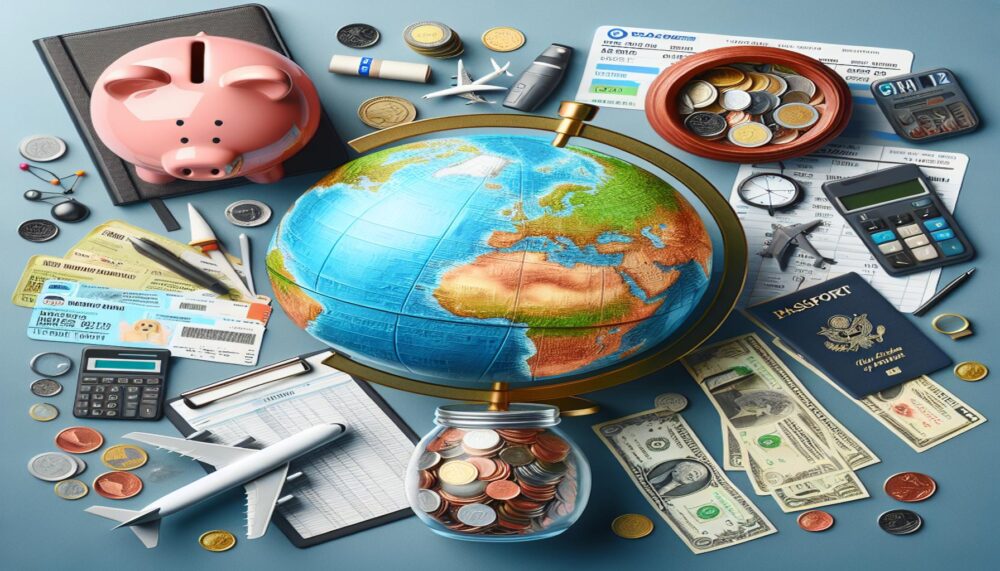
Traveling can be one of the most enriching experiences in life, but it often comes with a hefty price tag. With the right savings plan, you can explore new destinations while staying within your budget. A well-crafted budgeting strategy not only maximizes your travel experience but also ensures you return home without financial strain.
Understanding the fundamentals of travel budgeting is essential. It’s not merely about cutting back on expenses; rather, it’s about creating a clear and actionable plan tailored to your travel aspirations. Here are some essential components to consider:
- Set clear goals: Begin by determining where you wish to go and estimating how much you need to save for the trip. For example, if you dream of visiting Europe, research the costs associated with flights, accommodations, meals, and activities for your specific destination, like Paris or Rome.
- Create a dedicated travel fund: Opening a separate savings account solely for travel expenses allows you to keep your vacation funds distinct from your everyday finances. This way, you can visually track your savings progress towards specific trips.
- Automate your savings: Setting up automatic transfers to your travel fund each month simplifies the saving process. By designating a specific percentage of your income to go directly into this account, you harness the power of consistency and make saving a habitual practice.
Planning ahead is a game changer; it allows you to choose destinations and experiences that truly excite you. Instead of accumulating debt, you will be able to savor your experiences, relieved of financial anxiety. For instance, if you plan a winter getaway to Banff, budgeting helps ensure you can engage in activities like skiing or visiting the hot springs without worrying about overspending.
Moreover, developing frugal habits, like meal prepping or finding budget-friendly entertainment options, can support your travel goals. Consider joining travel groups or forums specific to Canadians, where you can gain insights on affordable travel packages, local attractions, and money-saving tips from fellow travelers. Canada has a vibrant community of adventurers who can share experiences and recommendations.
Next, let’s explore some practical savings strategies tailored to help Canadians reach their travel dreams without the financial stress. From utilizing travel rewards credit cards to finding seasonal deals on flights and accommodations, these strategies can enhance your travel experience while keeping you financially secure.
Smart Savings Strategies for Your Travel Fund
Once you’ve established your travel goals and created a dedicated fund, the next step is to implement effective savings strategies that will help you reach your targets. By leveraging practical techniques, you can build your travel fund efficiently while ensuring you don’t fall into the trap of debt.
Here are several actionable savings strategies that can facilitate your journey:
- Track your expenses: Maintaining a detailed overview of your monthly expenditures enables you to identify areas where you can cut back. Use tools like budgeting apps or spreadsheets to categorize your spending. Once you spot non-essential expenses, redirect that money to your travel savings. For example, if you notice you’re spending significant amounts on coffee runs, consider brewing your own at home and sending the difference into your travel fund.
- Set a travel savings deadline: Having a specific timeline for when you plan to travel can motivate you to save diligently. Whether it’s a holiday vacation next December or a summer road trip, determine how much you need to save each month and hold yourself accountable. Knowing there’s a timeframe can make the process more tangible.
- Embrace a “no spend” challenge: Challenge yourself to go a certain period, like a month, without non-essential purchases. Utilize this time to focus solely on your travel savings. This approach can lead to incredible savings and instill a mindset of financial discipline.
- Seek out side hustle opportunities: Consider picking up a part-time job or freelance gig to boost your travel savings. Whether it’s offering tutoring services, freelance writing, or even pet sitting, additional income can significantly elevate your travel fund.
- Utilize cashback and rewards programs: Many credit cards in Canada offer cashback or travel rewards for every purchase. Make sure to choose a card that aligns with your financial habits and use it for regular purchases. Just remember to pay off the balance each month to avoid interest charges. By doing so, you can accumulate points that can be redeemed for flights or accommodations further enhancing your travel budget.
Incorporating these strategies into your routine can accelerate your journey to achieving your travel dreams. Contentment comes not just from the trip itself, but also from the knowledge that you’ve prepared adequately without incurring debt.
As important as it is to save, it is equally crucial to stay informed about seasonal promotions and travel deals. Being mindful of when you book your trips can save you significant amounts of money. For instance, booking flights during off-peak times or forking out a little extra for flexible bookings can enhance your overall travel experience while still keeping those savings intact.
In the next section, we’ll delve into leveraging loyalty programs and seasonal deals to boost your travel fund even further, equipping you with the tools necessary for a financially secure getaway.
Maximizing Your Travel Fund with Smart Travel Tips
As you continue to build on your savings strategies, it’s also essential to consider tactical approaches that can maximize your travel fund without compromising your financial health. Here are several effective travel tips that can stretch your budget further:
- Plan your travel during off-peak seasons: Traveling during less popular times can save you a substantial amount on flights and accommodations. For instance, consider visiting a destination in the spring or fall rather than during peak summer months. Airlines and hotels often lower their prices during these periods, allowing you to enjoy the same experiences at a fraction of the cost.
- Book flights in advance: Research indicates that booking flights about two to three months before your intended travel date can lead to significant savings. Use fare comparison websites to find the best deals, and set price alerts to notify you when fares drop. Websites like Google Flights or Kayak can help you track pricing trends and better plan your purchase.
- Consider alternative airports: Sometimes flying into or out of smaller, regional airports near your desired destination can result in lower fares. Conduct a little research to see if it’s cheaper to fly into a nearby city and consider any additional transportation costs to reach your final destination.
- Be flexible with your itinerary: If your travel dates or destinations are flexible, you significantly increase your chances of finding better deals. Utilize tools that allow you to search for cheap flights based on a range of dates or even explore “anywhere” options which can present exciting and affordable opportunities.
- Take advantage of free or low-cost activities: Research the free and inexpensive attractions at your destination. Many cities offer free walking tours, local markets, and public parks that can provide a rich experience without a hefty price tag. For instance, cities like Montreal have a variety of arts and culture events that are free and open to the public, helping you immerse yourself in the local culture without overspending.
Additionally, consider using public transportation rather than costly taxi services or rental cars. Not only is it usually more affordable, but it often allows for a more authentic experience, as you’ll be surrounded by locals. For example, utilizing Ottawa’s OC Transpo bus system can take you to several landmarks for just a few dollars, in comparison to hundreds spent on car rentals or rideshares.
Another strategy is to cook some of your meals instead of dining out for every meal. If you’re staying in accommodations with a kitchenette, take advantage of the local grocery store. Preparing your own meals can save you a considerable amount of money while allowing you to sample local ingredients.
Lastly, don’t forget to factor in travel insurance into your budget. Although it might seem like an extra cost, having the right coverage can protect you from unforeseen expenses due to trip cancellations, medical emergencies, or lost luggage. It’s an investment that can pay off significantly if something goes wrong during your trip.
By utilizing these travel tips alongside your savings strategies, you’ll ensure that your adventures don’t just remain a dream but become a reality, all while keeping your finances safe and sound.
Conclusion
In summary, embarking on a journey without the burden of debt is not only achievable but also rewarding. By implementing a thoughtful savings plan and making informed financial choices, you can turn your travel dreams into fulfilling experiences. Begin by setting clear goals for your travel fund; this target will motivate you and keep your focus sharp. Use high-interest savings accounts or dedicated savings apps to ensure your money grows without fail.
Incorporate practical budgeting tips, such as reallocating unspent monthly expenses towards your travel fund, and consider establishing a travel-specific savings account. These steps, coupled with strategic travel planning—like choosing off-peak seasons and scouting for deals—will enhance your savings and expand your travel opportunities.
Ultimately, remember that the joy of travel lies not just in the destinations, but also in the experiences you create along the way. Remain open to local adventures and budget-friendly activities that enrich your journey, as they often provide the most memorable moments. By approaching travel with a well-thought-out financial plan and an adventurous spirit, you can explore the world without sacrificing your financial health.
Embrace the thrill of travel while prioritizing financial stability, and soon you will find that your trips are both enjoyable and affordable. The world is waiting for you—by planning wisely, you can set out on your adventure debt-free.
Related posts:
How to use financial goals to maintain budgeting discipline
Investing in ETFs: what they are and how they work
Advantages and risks of automated investments (robo-advisors)
How to Cut Unnecessary Expenses Without Compromising Leisure
Short-term investment: safe and affordable options
How to avoid getting into debt during festive seasons

Linda Carter is a writer and financial expert specializing in personal finance and money management. With extensive experience helping individuals achieve financial stability and make informed decisions, Linda shares her insights on the Web Dinheiro platform. Her goal is to empower readers with practical advice and strategies for financial success.