Tips to Save on Energy and Water Bills
Understanding the Importance of Resource Conservation
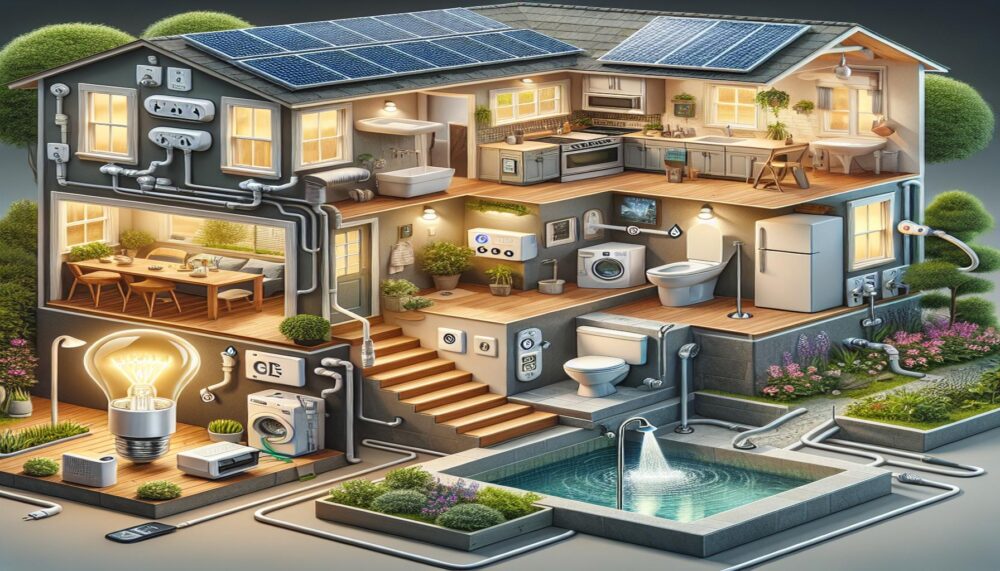
As costs continue to rise, particularly for energy and water, it’s crucial for Canadians to pay attention to their consumption habits. Every little change can make a tremendous difference in your monthly bills while simultaneously contributing to a healthier planet. By fostering awareness about energy and water usage in your home, you can significantly impact both your finances and the environment.
Adopting Energy-efficient Appliances
One effective way to save on energy costs is by investing in energy-efficient appliances. Appliances that have the ENERGY STAR® certification are designed to consume less energy than their standard counterparts, which can lead to considerable savings over time. For example, an ENERGY STAR-rated refrigerator typically uses 15% less energy than a non-rated model. This translates not just to lower energy bills but also to a reduction in greenhouse gas emissions.
Maximizing Comfort with Smart Thermostats
Installing a smart thermostat is another fantastic way to cut your energy costs. Unlike traditional thermostats, which heat or cool your home continuously, smart thermostats can learn your schedule and adjust accordingly. For instance, they can lower the temperature while you are away at work and start heating again just before you come home. This precision can lead to savings of up to 10-15% on your heating and cooling bills, which is especially beneficial during the long, cold winters in Canada.
Water Conservation through Efficient Fixtures
Water conservation is equally important. Installing low-flow showerheads and faucet aerators can significantly reduce your water consumption—up to 50% in some cases. For example, a regular showerhead may use 9 to 12 liters of water per minute, while a low-flow model can restrict that to only 6 liters. This not only lowers your water bills but also eases the stress on municipal water systems, which can be particularly beneficial in times of drought.
Long-term Benefits of Sustainable Choices
These practical changes lead to more than simple savings; they encourage a shift in how we view and use resources. By being more mindful, we can create a ripple effect in our communities. Sharing these tips with friends and family could inspire them to also take action, creating a collective impact.
In summary, making conscious decisions about energy and water usage is essential. Every household has the power to contribute to sustainability while saving money. By adopting energy-efficient appliances, using smart technology, and implementing water-saving fixtures, Canadians can lower their bills and lessen their environmental footprint for a brighter, more sustainable future.
Simple Actions for Immediate Savings
When it comes to reducing your energy and water bills, small modifications in your daily habits can add up significantly over time. Here are some straightforward actions that anyone can take to achieve immediate savings without sacrificing comfort or convenience.
Routine Checks on Insulation
Having proper insulation in your home is paramount for maintaining a consistent temperature and minimizing energy loss. Check areas like your attic, basement, and around windows and doors. Make sure there are no gaps where air can escape. Here are some steps to enhance your home’s insulation:
- Seal Drafts: Use weatherstripping tape or caulking to seal any areas where you can feel cold air seeping through.
- Insulate Hot Water Pipes: Insulating the pipes that carry hot water can keep the water warmer for longer, reducing the need for constant heating.
- Install Storm Windows: Storm windows can act as an extra barrier against the cold, further insulating your home.
Cautious Use of Heating and Cooling
Adjusting your heating and cooling practices can yield substantial savings. In winter, consider lowering your thermostat by just 1°C; this simple tweak can actually save you up to 5% on your heating bill. Similarly, in summer, try setting your air conditioner a couple of degrees higher than usual. The following practices can also help:
- Utilize Ceiling Fans: These can help circulate air, making your space feel cooler in the summer without relying solely on air conditioning.
- Close Blinds or Curtains: During the hot summer months, keeping curtains closed can prevent heat from entering your home, thereby reducing cooling costs.
- Use Space Heaters: When you’re in a single room, space heaters can be more efficient compared to heating your entire home.
Mindful Usage of Electronics
Your electronic devices, when not in use, can be silent energy drainers. To curb this waste, consider these tips:
- Unplug Devices: Chargers and appliances consume energy even when they are turned off. Unplug items like phone chargers when they are not in use.
- Power Strips: Use smart power strips that can cut off power to multiple devices with a single switch.
- Regularly Update Software: Keeping your electronic devices updated often leads to improved efficiency.
By implementing these small but impactful strategies, you can make noticeable strides in reducing your energy and water consumption. The key is to remain vigilant and proactive about your usage habits, ultimately reaping the benefits in both your wallet and the environment.
Smart Investments for Long-Term Savings
While immediate changes to your daily routine can lead to quick savings on energy and water bills, making strategic investments now can provide even greater benefits in the long run. Consider these options to not only enhance your home’s efficiency but also to save on costs over time.
Energy-Efficient Appliances
Upgrading to energy-efficient appliances may require an initial investment, but the savings on your bills can quickly offset that cost. Look for appliances with the ENERGY STAR label, as these are certified to consume less energy compared to their traditional counterparts. For instance, an ENERGY STAR refrigerator can use about 15% less energy than a standard model. Here are a few appliances worth considering:
- Washing Machines: High-efficiency washing machines use less water and energy, making them a smart choice for both cleaning and saving.
- Water Heaters: Tankless water heaters provide hot water on demand, while heat pump water heaters use significantly less energy than standard units.
- Dishwashers: Modern dishwashers also conserve water, and many models today are designed to use only as much as necessary while ensuring optimal cleaning.
Smart Thermostats
Investing in a smart thermostat can lead to impressive savings on heating and cooling. These devices allow you to program temperature preferences throughout the day and can even adjust based on occupancy. For example, if everyone is away from home during the day, the thermostat can automatically lower the heating or cooling, ensuring that you aren’t wasting energy. Additionally, many smart thermostats can provide you with reports on your usage patterns, helping you to identify further savings.
Water-Saving Fixtures
To save on water bills, consider installing water-saving fixtures throughout your home. Low-flow showerheads and faucet aerators can drastically reduce water consumption without compromising performance. For instance, switching to a low-flow showerhead can save you up to 2,700 gallons of water annually. Additionally, pay attention to:
- Dual Flush Toilets: These use less water per flush and can significantly reduce your water usage.
- Smart Irrigation Systems: If you have a garden, investing in a smart irrigation system can optimize water usage by adjusting based on weather forecasts and soil moisture levels.
Consider Renewable Energy Sources
If you are open to it, investing in renewable energy sources can yield long-term savings and contribute to a sustainable future. Solar panels, for example, not only reduce your reliance on grid electricity but can also lower your utility bills through net metering. In Canada, several provinces offer incentives and rebates for homeowners who choose to adopt renewable energy solutions, allowing you to invest wisely with possibly reduced upfront costs.
By focusing on these more substantial investments, you can create a more energy and water-efficient home. The key is to view these changes not merely as expenses but as smart choices that will lead to significant savings over time, ensuring comfort and sustainability for your household.
Conclusion
In conclusion, saving on energy and water bills is not just about making quick fixes; it’s about fostering a more sustainable lifestyle while enjoying cost savings. By implementing simple habits, such as turning off lights when leaving a room or taking shorter showers, you can see immediate reductions in your utility expenses. However, as we discussed, making smart investments in energy-efficient appliances, smart thermostats, and water-saving fixtures can further enhance your savings in the long term.
For example, upgrading to ENERGY STAR certified appliances may require an initial outlay, but over time, the reduced energy and water consumption can lead to substantial financial benefits. Similarly, integrating renewable energy sources like solar panels in your home can transform your energy profile, lessen your reliance on traditional power grids, and possibly lead to additional incentives from Canadian provinces.
Furthermore, it’s essential to be mindful of our ecological footprint. Each small action contributes to a collective effort to conserve natural resources, making it beneficial not only for your wallet but also for the environment. Remember, adopting a proactive approach towards energy and water savings involves a combination of consistent habits and thoughtful investments. Embrace these strategies today, and you’ll likely find that a little effort can go a long way in creating a more sustainable and financially savvy home.
Related posts:
Strategies to Save on Online Shopping
How to build a diversified investment portfolio
Points Programs: Is it Worth Concentrating Spending on the Card?
How to Take Advantage of Cashback Programs to Save More
How to use coupons and discounts without falling into consumerism
Best Free Apps for Personal Budgeting

Linda Carter is a writer and financial expert specializing in personal finance and money management. With extensive experience helping individuals achieve financial stability and make informed decisions, Linda shares her insights on the Web Dinheiro platform. Her goal is to empower readers with practical advice and strategies for financial success.