How to Reduce Grocery Expenses Without Sacrificing Quality
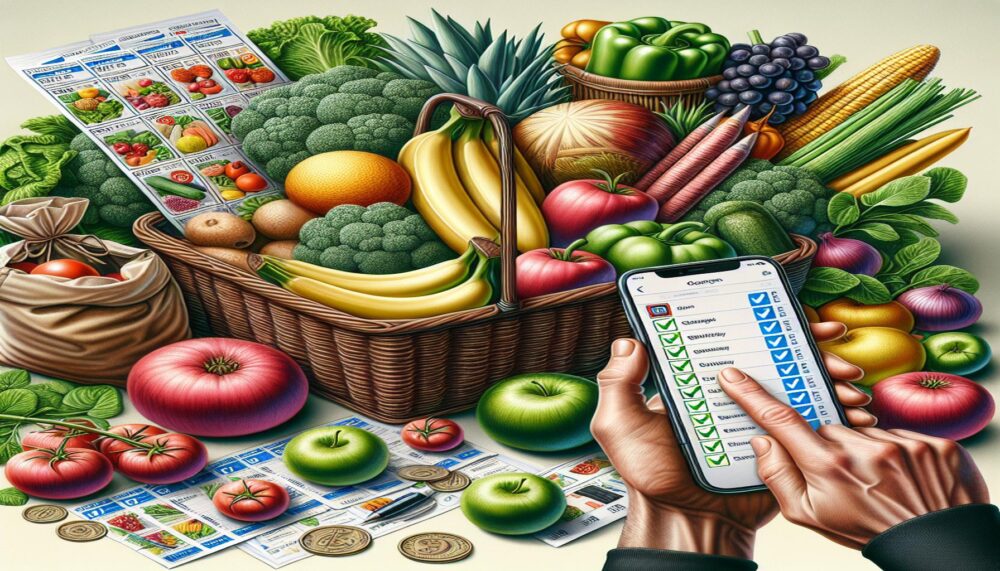
Effective Strategies for Managing Grocery Expenses
Managing grocery expenses is no small feat, especially in today’s ever-changing economy. While it might be easy to default to cheaper options that compromise quality, there are practical ways to maintain a healthy diet while also being budget-conscious. Below is a deeper exploration of effective strategies aimed at helping you shop wisely and save money.
Plan Your Meals
One of the first steps to taking control of your grocery budget is to create a weekly meal plan. By mapping out your meals for the week, you can identify exactly what ingredients you need. This not only helps in reducing waste but also ensures that you won’t be tempted to buy unnecessary items while shopping. For instance, if you plan to make a stir-fry, you can list the specific vegetables and proteins required, avoiding the pitfall of purchasing excess items that may go unused.
Make a Shopping List
When you head to the store, stick to a list. Shopping with a predefined list can keep impulse purchases at bay. Consider trying this as a fun challenge: challenge yourself to get everything on your list while avoiding anything that isn’t on it. This practice can lead to significant savings over time. During shopping trips, it’s easy to get distracted by promotions or eye-catching displays, but sticking to your list helps you stay focused on your actual needs.
Buy in Bulk
Buying in bulk can be a game changer for your wallet. Items such as grains, beans, and frozen vegetables are typically less expensive when bought in larger quantities. Not only do you save money, but bulk items often have a longer shelf life, saving you from future purchases. For example, buying a 10-pound bag of rice instead of several smaller bags can yield cost savings that add up quickly. Just make sure to assess your storage capacity before buying in bulk!
Leverage Seasonal Produce and Local Sales
Being aware of seasonal produce can significantly affect your grocery bill. In Canada, for instance, buying fruits such as apples and berries in season can lower costs tremendously as they are more abundant. Local farmers’ markets often provide freshness at lower prices, so keep an eye out for these opportunities. Not only will you save money, but you will be supporting local agriculture as well.
Utilize Coupons and Discounts
Another effective way to manage your grocery costs is to use coupons. Many grocery stores have digital coupon systems, or you can find them in local flyers. Combining these discounts with sales can lead to remarkable savings, especially on household staples. For instance, if toothpaste is on sale and you have a coupon, you can save both immediately and over time.
Choose Generic Brands
Don’t overlook store-brand products; choose generic brands whenever possible. Often, these brand products are manufactured in the same facilities as their name-brand counterparts, ensuring that you receive similar quality at a lower cost. This can be particularly advantageous for pantry staples like pasta or canned goods, where you may not notice a significant difference in taste.
Join Loyalty Programs
Finally, consider signing up for loyalty programs offered by various grocery stores. These programs often provide members with access to exclusive deals, points on purchases that translate to discounts, and advance notice of sales. Such programs can yield impressive savings in the long run and are a great way to maximize your grocery budget.
By adopting these practical strategies, you can effectively manage your grocery expenses without sacrificing the quality of the food you bring home. Start by implementing a few of these ideas into your shopping routine and watch as your grocery bill begins to shrink!
Maximizing Savings While Maintaining Quality
In your journey to reduce grocery expenses, understanding the nuances of shopping can lead to significant savings without compromising the quality of your meals. Implementing mindful shopping techniques not only helps your wallet but also enhances your culinary experience. Here are several focused strategies to consider.
Master the Art of Meal Prepping
Meal prepping is an effective technique that can lead to both savings and reduced food waste. By preparing meals in advance, you ensure that you only buy the ingredients necessary for your pre-planned recipes. Begin by dedicating a day each week to cooking larger batches of food. For example, you might roast a whole chicken or cook a large pot of chili. This approach not only saves money but also allows you the convenience of readily available meals throughout the week. As a bonus, you can portion out meals into containers, which makes for easy grab-and-go dining during busy days.
Evaluate Your Pantry Before Shopping
Before heading to the grocery store, it’s wise to assess your pantry and refrigerator. Check for items that may be nearing their expiry date or that you have excess of. This practice helps to prevent duplicate purchases and encourages creative meal crafting with what you already have. For example, if you find lentils and frozen spinach, consider making a hearty lentil soup. A quick inventory can turn forgotten food into delicious meals while saving you money.
Embrace Smart Snacking
Snacking can often lead to unanticipated expenses, especially when opting for pre-packaged items. Instead, choose wholesome snacks that are not only cost-effective but also nutritious. For instance, buying a block of cheese is generally cheaper than purchasing individually wrapped cheese snacks. Pair it with fresh fruits, veggies, or whole-grain crackers for a satisfying snack that doesn’t break the bank. Preparing your own snacks ensures you enjoy high-quality foods without the inflated prices of convenience items.
Explore Different Shopping Venues
Sometimes, the best savings can be found beyond your regular grocery store. Explore various shopping venues, such as discount grocery stores, local farmers’ markets, or ethnic markets. These alternatives often provide a wider variety of products at competitive prices. For example, Asian supermarkets frequently offer fresh produce and bulk items at significantly reduced prices. By diversifying where you shop, you give yourself access to more affordable quality options.
Utilize Freeze and Preserve Techniques
Another excellent strategy for managing grocery expenses without sacrificing quality is to freeze and preserve seasonal products. When fruits and vegetables are in peak season, they are often less expensive. Purchase in bulk and freeze extra portions for later use. For instance, buying a large quantity of fresh berries during the summer can lead to delightful smoothies or desserts throughout the winter. Similarly, you can chop and freeze herbs or vegetables to have ready-to-use options available whenever you need them.
By applying these strategies, you are well on your way to reducing grocery expenses without sacrificing the quality of your meals. Transitioning to a more mindful grocery shopping approach will take some practice, but is guaranteed to yield positive results for both your finances and your dining experience.
Smart Shopping Strategies for Quality Savings
Continuing your journey toward reduced grocery expenses without compromising quality involves employing savvy shopping strategies. Being strategic about how, when, and where you shop can make a big difference. Here are additional approaches to consider that will not only help you save money but also ensure you enjoy quality food at home.
Take Advantage of Coupons and Loyalty Programs
Coupons and loyalty programs are powerful allies in your quest for cheaper groceries. Many grocery stores offer digital coupons that you can load onto a store loyalty card, which can lead to instant savings on items you plan to purchase. Moreover, many grocery retailers in Canada have apps or websites that allow you to scan for available coupons specific to items in your shopping list. For example, Sobeys and Loblaws frequently run promotional campaigns that can provide discounts on fresh produce or pantry staples. Make it a habit to check these platforms before shopping; combining coupons with discounts can lead to substantial savings.
Buy Generic or Store Brand Products
When you are looking for quality at a lower price, consider opting for generic or store brand products. Often, these items are manufactured by the same companies that produce their branded counterparts, yet they come at a significantly lower price. Grocery stores like No Frills or Walmart provide quality products under their own labels that match, if not exceed, the quality of name-brand goods. For instance, while shopping for cereal, you might find that the store-brand version is just as nutritious as the popular brand—without the hefty price tag.
Plan Your Shopping Trips Wisely
To control your grocery expenses effectively, plan your shopping trips around sales and discounts. Review weekly flyers and sales ads for your favorite grocery stores to identify which items are on sale before you make your shopping list. Timing your trips can also play a role; many grocery stores discount perishable items towards the end of the day to reduce waste. Additionally, shopping early in the week when shelves are replenished often provides you with the best selection of fresh produce.
Focus on Whole Foods
Another way to maintain quality while saving money is by emphasizing whole foods in your diet rather than processed options. Whole foods, such as vegetables, fruits, grains, and legumes, are often more cost-effective and healthier. For example, buying a whole butternut squash is typically cheaper than purchasing pre-cut pieces. Additionally, cooking from scratch reduces packaging waste while allowing you to control the quality of ingredients in your meals. Limit processed foods loaded with preservatives and opt for simpler, more nutritious ingredients that can go a long way in meal preparation.
Join a Community Supported Agriculture (CSA) Program
Participating in a Community Supported Agriculture (CSA) program not only supports local farmers but can also save you money on high-quality produce. By subscribing to a CSA, you pay up front for a share of the harvest, which generally provides you with fresh, seasonal organic fruits and vegetables at a lower price than what you would find in grocery stores. Programs vary, but in many cases, you may also receive eggs, dairy products, or meat. By incorporating these fresh, locally-grown foods into your meals, you’re both boosting your diet and feeling less impact on your wallet.
Implementing these strategies can further equip you in your mission to reduce grocery expenses while maintaining the quality of your meals. By applying a combination of these thoughtful shopping approaches, you will find yourself saving money and enjoying nutritious, delicious food at home.
Conclusion: Embracing a Balanced Approach to Grocery Shopping
Reducing grocery expenses without sacrificing quality is both achievable and beneficial. One of the first strategies you can implement is taking advantage of coupons and loyalty programs. Many Canadian grocery chains like Loblaws and Sobeys offer loyalty programs that provide discounts or points that can lead to tangible savings. For instance, using loyalty cards during bonus redemption events can significantly lower your total bill, making your shopping trips more cost-effective.
When making choices in the store, always consider generic or store-brand products. These alternatives often have the same ingredients as their branded counterparts but at a much lower price. A great example is opting for No Name products from Loblaws, which are frequently praised for their quality without the premium price tag. This approach can deliver similar quality at a fraction of the cost.
Planning ahead is crucial in your grocery shopping strategy. By reviewing weekly ads from various stores, you can identify the best deals on the items you use regularly. Timing your trips to coincide with sales allows you to stock up on essentials. Also, focusing on whole foods rather than processed options not only saves money but contributes to healthier meals. Whole foods, like fresh fruits, vegetables, grains, and meats, are often less expensive than pre-packaged meals and are packed with nutrients that promote better health.
Engaging with programs like Community Supported Agriculture (CSA) is another beneficial route. Participating in a CSA connects you with local farmers and provides fresh, organic produce weekly. This not only supports the local economy but also ensures you receive high-quality ingredients while enjoying a diverse range of seasonal offerings.
Remember, the key to maintaining quality while cutting costs lies in a balanced approach. By integrating these practical strategies into your routine, you’ll cultivate better spending habits and develop a deeper appreciation for the food you enjoy. Embrace this journey towards smart grocery shopping, and relish the benefits it brings to both your wallet and your palate, making every meal a healthier and more budget-friendly experience.
Related posts:
The importance of maintaining an active emergency fund
How to Avoid Common Traps When Using a Credit Card
Automated investments vs manual investments
How to assess your investor profile before investing money
Economy Techniques for Those Living on Minimum Wage
Investment strategies for the long term with little money

Linda Carter is a writer and financial expert specializing in personal finance and money management. With extensive experience helping individuals achieve financial stability and make informed decisions, Linda shares her insights on the Web Dinheiro platform. Her goal is to empower readers with practical advice and strategies for financial success.